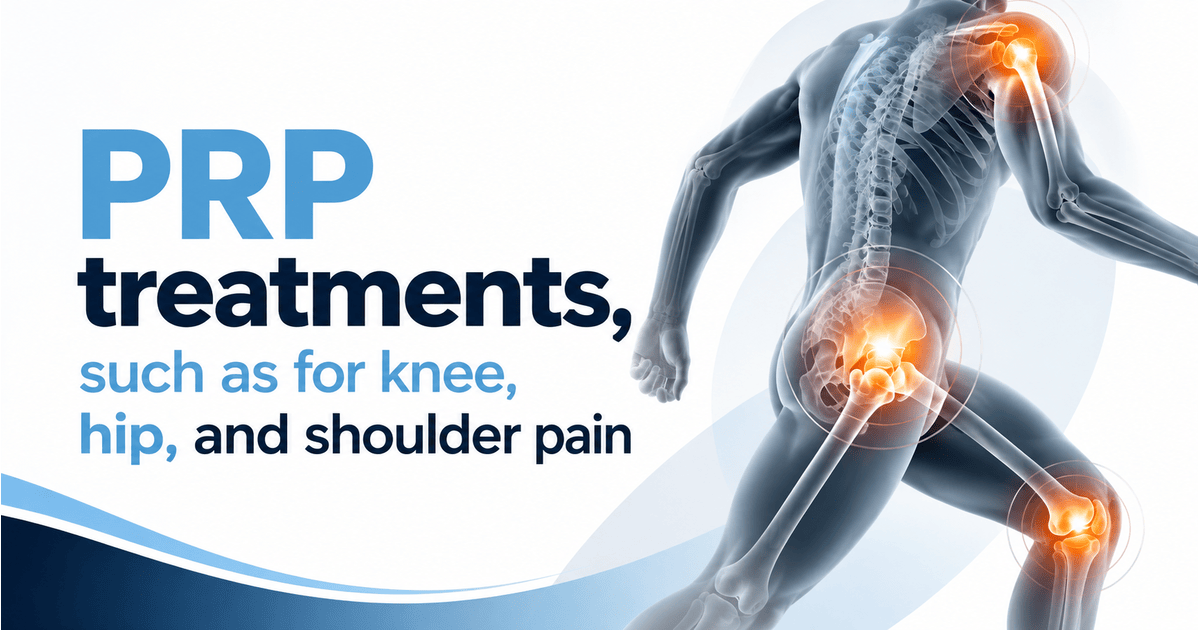
PRP treatments, such as for knee, hip, and shoulder pain

The use of PRP therapy is increasing for the treatment of knee, hip, and shoulder pain because they assist the body’s natural process of recovery and reduce pain. PRP therapy can be especially helpful for problems such as osteoarthritis, meniscus tears, tendon injury, and ligament injury. The therapy works by administering platelet-rich plasma, which comes from the individual’s blood, into the joint.

What is PRP Treatment?

The PRP (Platelet Rich Plasma) therapy involves using the patient’s own blood as a treatment for tissue regeneration.

The basic steps involved in this process include:

Drawing a small quantity of blood from the body of the patient.

Placing this blood in a spinning device.

Injecting the concentrated platelets into the inflamed part of the body.

The use of platelets, which are packed with growth factors, helps the body in:

Regeneration of damaged tissue cells.

Reducing the inflammation in the affected area.

Accelerating the healing process.

PRP For Knee Pain

Common Causes of Knee Pain


Knee pain is one of the most common complaints that adults have. It can be due to:

  • Osteoarthritis
  • Torn ligaments, such as an ACL tear
  • Injury to the meniscus
  • Wear and tear


The Role of PRP in Knee Pain Relief

PRP therapy can help a patient suffering from knee pain by:

  • Reducing joint inflammation
  • Increasing flexibility
  • Slowing down the process of cartilage degradation
  • Relieving knee pain


Most people experience steady improvement, but it usually takes weeks to see noticeable improvement.

PRP Therapy for Hip Pain

Causes of Hip Pain

Hip pain affects many everyday activities, including walking and sitting. The causes of hip pain include:

  • Arthritis in the hips
  • Torn labrum
  • Tendinopathy
  • Muscle sprain

Advantages of PRP Therapy on the Hip Joint

  • It can help with the healing of tissue
  • Improving joint mobility
  • Making joints less stiff
  • Prevent joint replacement for some people

Because it is a deeper joint, PRP treatment must be done under image guidance.

 PRP Therapy for Shoulder Pain

Common Conditions That Cause Shoulder Pain

 Common reasons for shoulder pain include:

  Rotator cuff injury

  Tendinitis

  Frozen shoulder

  Overuse (common among athletes or office workers)

  Role of PRP in Helping With Shoulder Recovery

PRP helps by:

 Repairing tendons

 Reducing joint inflammation

 Increasing mobility

 Preventing permanent damage

That’s why PRP is used both by athletes and people suffering from general shoulder pain.

What to Do on Your PRP Therapy Session

Here is what happens during a standard PRP procedure:

Initial Consultation – The doctor assesses your case

Drawing Blood – A small volume of blood is drawn from your body

Platelet Separation – Platelets are isolated. Injections of PRP in the Joint

Following the Procedure

Temporary pain may occur for several days

 Most people resume their usual activities soon after

 Results are typically seen within a few weeks

PRP Treatment Options: Is PRP Suitable for You?

  PRP is generally suggested for situations where:

 Pain does not subside with rest or physiotherapy 

 Surgery is to be avoided

 A natural alternative is desired

 But it can be combined with therapies such as:

  Physiotherapy

  Healthy lifestyle choices (diet, exercise)

  Inflammation reduction techniques

 Your doctor will devise a unique plan according to your needs.

When Should I See a Doctor?

Don’t ignore your joint pain. You should see a doctor if:

Your pain persists for several weeks

There is any inflammation or stiffness in your joint

It’s difficult to move

The pain is affecting your ability to carry out daily tasks and sleep

You have sustained an old injury which has failed to heal completely

Are There Any Associated Risks?

PRP is relatively safe as it uses the patient’s own blood. But as with all procedures, there may be small risks associated with PRP such as:

Discomfort where the injections have been administered.

Swelling Very rarely, an infection.

Working with a skilled professional greatly lowers these risks.

Frequently Asked Questions (FAQs) Regarding PRP Treatment

1.How Long Does PRP Treatment Last?

The duration depends on individual cases, but in general, most patients receive a relief that lasts between 6 months and a year or even more.

2.Is PRP treatment painful?

PRP injections typically cause mild discomfort, which goes away shortly.

3.How many PRP sessions should I undergo?

Some people get results after just one PRP session, while others require 2-3 treatments.

4.PRP treatment covered by American health insurance?

Usually, PRP treatment is considered to be optional; thus, it may not be covered by your insurance policy

5.Can I Resume Normal Activities After PRP Treatment?

Patients can usually continue their daily routine after one or two days, though heavy physical activity may need to wait.

Final Thoughts: A Natural Path Toward Pain Relief

A Naturally Occurring Solution for Pain Relief

When suffering from joint pain in your knee, hip, or shoulder, this condition could impact your mobility, mental health, and well-being. However, you don’t need to resort immediately to surgical options or prolonged drug use.

PRP therapy provides an exciting, natural alternative that harnesses your body’s inherent abilities to heal and relieve your discomfort.

If you’ve been struggling with persistent pain and require a more tailored approach, consider exploring the benefits of PRP therapy.
Knee Arthritis and PRP in 2026: What Works, What Doesn’t, and Who Benefits Most

Q: How does PRP therapy differ from cortisone?

While cortisone rapidly decreases inflammation, most people feel good a few days to weeks after having the injection. However, its effects may be temporary since it does not address the cause of the problem, meaning that patients only experience temporary relief, which lasts for weeks or several months. Using cortisone may accelerate cartilage deterioration.

PRP therapy focuses on addressing the underlying cause of the issue. It does this by promoting the natural healing process through growth factors rather than addressing the symptoms. The results will be felt gradually since healing is gradual, and patients should expect to notice results between four to eight weeks after treatment.

Q: How does PRP differ from cortisone?

The mechanism behind PRP differs significantly from cortisone, which rapidly alleviates pain by suppressing inflammation. While cortisone helps reduce pain quickly, its effects are short-lived since it does not provide any solution to tissue damage. On the other hand, repeated cortisone shots may exacerbate cartilage degradation in the long run.

Unlike cortisone, PRP treatment provides a biological solution. It introduces growth factors that work by initiating and promoting the tissue regeneration process while regulating inflammation at the same time. Improvement will not be seen as quickly as in cortisone, since it typically takes four to eight weeks before PRP kicks in.

 Q: Does the injection hurt? 

Injections are typically pain-free, similar to a regular joint injection, and involve feeling pressure only at the site of injection. Our practice involves using ultrasound or fluoroscopy to guide injections to increase their efficacy while reducing pain. Post-injection, there may be some discomfort in the knee for two to four days, but it’s expected and an important part of activating the treatment.

Q: How many injections will I require?

 Patients usually undergo one to three injections that are spaced apart by four to six weeks. The number needed differs among individuals. While some may obtain relief after just one injection, others would need a full course of injections to obtain the best result.

Q: Is it okay to take ibuprofen after the procedure?

No, and this is among the most critical rules to follow. The reason is that anti-inflammatories like ibuprofen, naproxen, and aspirin prevent platelet activation, thereby compromising the effectiveness of the PRP treatment. Patients should avoid taking such medications one week prior to and up to two to four weeks following each PRP injection. However, acetaminophen can be taken as an alternative pain reliever.

Q: How do I know which provider is best?

PRP results rely heavily on your provider. You should seek the services of a board-certified doctor, preferably with expertise in interventional pain management or orthopedics. It is essential to note that PRP requires accurate and precise injections, and thus you should find a physician who can guide the procedure using imaging technology. All PRP treatments are conducted under ultrasound guidance by our board-certified doctors at Restore Spine and Pain.

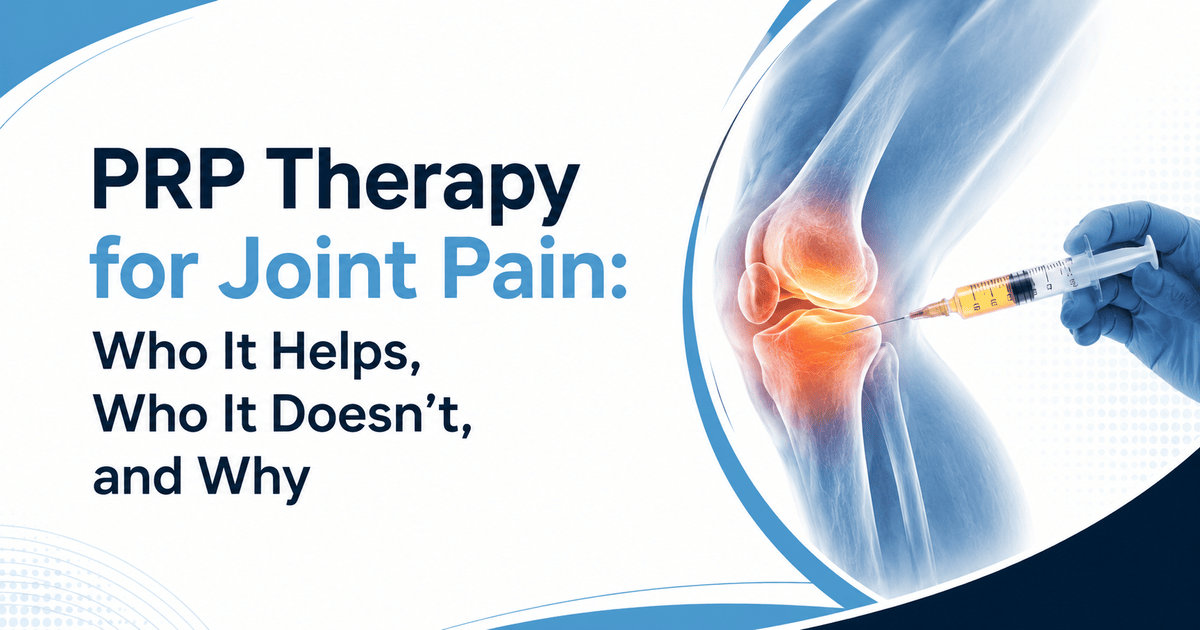
PRP Therapy for Joint Pain: Who It Helps, Who It Doesn’t, and Why

Painful joints tend to sneak up and limit your horizons. At first, they affect only the steps; then the morning exercise routine; then the fun activities you used to look forward to on weekends. At Restore Spine and Pain, we see patients daily who, despite exhausting conventional approaches like anti-inflammatories, physical therapy, or even cortisone injections, cannot find adequate pain relief.

Many of our patients with joint problems find that PRP therapy helps them take an entirely different approach. Not every patient can benefit from PRP treatment, and we firmly believe that transparency is the key to establishing genuine trust with our patients. With that in mind, today’s post covers the basics of PRP treatment, the diseases it’s most effective at treating, and the realistic criteria we consider when deciding if a particular patient is a good match for the procedure.

What Is PRP Therapy?

PRP involves the use of your blood to form the basis of treatment. Your blood is extracted from your arm, processed through the centrifuge machine to separate out the platelets, which have potent growth factors, and then the concentrated platelets are injected directly into the injured area. Since your own blood is being used, there is little chance of an allergic response to the treatment.

The growth factors contained in PRP initiate the body’s natural healing cascade, which includes the reduction of inflammation in the affected area, increased collagen synthesis, improved blood flow to the damaged area, and in some cases the arrest of joint degeneration. The procedure takes 60-90 minutes on average.

Problems That Can Be Addressed Using PRP Therapy

  •   Knee joint osteoarthritis
  •   Hip joint osteoarthritis and bursitis of the hip joint
  •   Arthritis of the shoulder and shoulder tendinitis (partial tearing)
  •   Tennis elbow
  •   Golfers elbow
  •   Achilles tendonitis and patellar tendinitis
  •   Strained muscles and torn muscles
  •   Sprain in the ligaments with chronic instability

Who Gets the Best Results from PRP?

There are some common traits among those people whose condition may improve when treated with PRP. These include having a definite source of pain in their body – an injured, damaged, or degenerated joint, tendon, or tissue confirmed via imaging techniques. It is necessary that such patients have undergone first-line therapy, which did not produce desired results. In addition, people suffering from mild to moderate stages of the disease respond better to the procedure. End-stage joint damage with cartilage loss would not be appropriate for the treatment.

One of the indications that PRP treatment can be attempted includes the fact that initial cortisone injection was effective, but stopped being efficient enough.

Cost vs Value Perspective: Looking Beyond the Price Tag

The next question that comes up when discussing PRP injections concerns their cost. Again, this is understandable, but considering treatments like PRP, it would be better to focus on the value of the treatment itself rather than its cost.


Need for Fewer Drugs

Joint pain sufferers typically use non-steroidal anti-inflammatory drugs or other pain relievers to alleviate their condition. However, as we mentioned above, such treatment only addresses the symptoms and not the cause. If PRP is successful, you will notice an improvement in your condition, making it possible to use fewer drugs, which saves money and reduces dependence on them.

Opportunity to Avoid Surgery

Surgical intervention is a serious procedure requiring considerable investment and time for rehabilitation. In addition, it may have negative consequences and undesirable side effects. PRP provides a safer alternative treatment approach that does not involve any risks and adverse reactions associated with surgical intervention. Some people can postpone or even avoid surgery thanks to the PRP treatment.

Long-Term Solution Versus Quick Fixes

Corticosteroid injections are commonly employed to quickly alleviate pain, but their effects typically fade away in a few weeks or months. PRP treatment offers an alternative approach. Through its ability to facilitate self-repair, its benefits may not manifest instantly, but when they do, they are usually long-lasting. For someone frustrated by the repeated cycle of quick fixes, such a change from a short-term solution to a longer-lasting solution can have a significant impact.

The Big Picture

Looking at the broader picture, the importance of PRP therapy extends far beyond the actual treatment process. In the long run, it means fewer follow-up treatments, lower dependency on medication, and even the freedom to continue exercising without resorting to more aggressive treatment methods. For the appropriate patient, this can add up to quite a lot indeed.

Who Should Not Consider PRP Treatment?

At our practice, we are firm believers in providing our patients with complete transparency. PRP treatment is contraindicated for tendon tears where surgical intervention is required, for advanced stages of arthritis involving bone degeneration, for individuals with active infections or blood-related issues, or for people taking blood-thinning medication. We will be able to explain this clearly to you during your consultation.

Consultation Expectations

When coming to the Restore Spine & Pain Center for the first time, patients should expect a thorough examination, rather than a sales pitch. Your medical history, imaging findings, past interventions, treatment objectives, and level of physical activity will all be taken into consideration. Then, our professional opinion regarding whether or not PRP injections are right for you will be provided, along with the potential results you can achieve, as well as alternative options if you are not a candidate for PRP therapy.

If you are looking for more information regarding PRP therapy and suffer from joint pain, tendon injuries, and muscular discomfort, come talk to us!

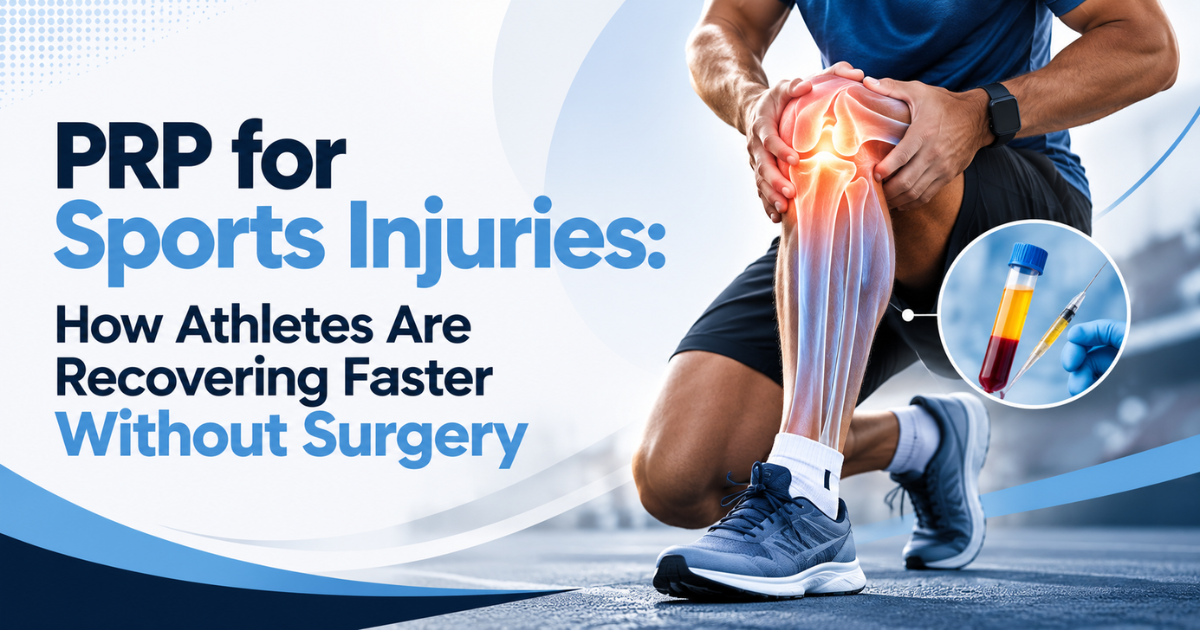
PRP for Sports Injuries: How Athletes Are Recovering Faster Without Surgery

 They will always do more than the common man — but when hurt, all they desire is to resume their journey      towards recovery through smart rehabilitation rather than simply sitting back and letting everything settle down on its own. This is why PRP therapy has gained popularity in the last decade.

Across different spectrums from amateurs to professionals, PRP therapy is being employed to treat sports injuries to increase the speed of healing, reduce chronic inflammation, and get the player back into his passion without going under the knife straight away.

Why Is It Difficult to Treat Sports Injuries?

Most sports injuries usually target tendons, ligaments, and cartilage, which tend to have a restricted blood supply. This means that less nutrition and repair cells get to the tissues for healing purposes. Consequently, the process takes too long, leaves the injury incompletely healed, or even leads to chronic pain.

Traditional forms of treatment include resting the body part, icing it, using anti-inflammatory drugs, and performing physiotherapy sessions; however, these do not necessarily speed up the healing process. This is where PRP comes in.

Role of PRP in Recovery from Sports Injuries

The PRP technique involves isolating platelets in an athlete’s blood and then injecting them into the affected tissues. This leads to growth factors secreted by the platelets to create an environment for healing through:

  •   Making fibroblasts more active, as they are the key producers of collagen for tendons and ligaments
  •   Facilitating angiogenesis for better circulation in affected tissues
  •   Reducing chronic inflammation but not inhibiting the healing process
  •   Drawing in reparative cells such as stem cells to the injury site

In this way, PRP enhances the healing process for athletes, and recovery becomes quicker than would have been possible with conventional approaches.

Common Types of Sports Injuries That Are Best Treated by PRP

Tendinopathies

Tendinopathy – which is basically the chronic degeneration and inflammation of a tendon – is probably the most common form of overuse injury in the world of sports. The following conditions have been extensively researched for their effectiveness in relation to PRP:

  •     A common condition among basketball, volleyball, and runner athletes. Studies have indicated that PRP helps alleviate pain and improve the structure of patellar tendons.Patellar tendinopathy (jumper’s knee): 
  •   Quite common among running athletes and field athletes. The evidence shows PRP as an effective remedy for mid-portion Achilles tendinopathy especially when the patient has not responded to eccentric exercises.Achilles tendinopathy: 
  •     Classic example of overuse injury among racquet games players and manual workers. PRP beats cortisone hands down in cases examined in many studies.Tennis elbow (lateral epicondylitis): 
  •     This is another name for lateral epicondylitis. PRP has proven effectiveness in treating this condition in athletes that do not respond to rest and physical therapy.Golfer’s elbow (medial epicondylitis): 

Ligament Sprains

Grade I and Grade II ligament sprain, which means that the ligament suffers stretching or partial tear but not a complete tear, is a good choice for PRP.


Typical uses for this treatment include sprains of the ankle ligaments (the most common injury in sports), MCL injuries to the knee joint, and UCL injuries sustained during throwing activities.

Partial Muscle Tears

PRP may help in treating muscle tears due to its ability to enhance muscle fiber regeneration while decreasing scarring. Such cases include various levels of muscle strain injuries, including partial tears that have occurred in athletes competing at the highest possible performance level.

Labral Tear in Shoulder and Hip Joints

Both shoulder and hip joint labral tears have gained increasing attention in athletes. Although some severe cases might need surgery, research indicates that PRP could be used in conjunction with surgical intervention. PRP can either work independently on partial tears of the labrum or aid in post-surgery recovery.

PRP Therapy and Return to Sport: What the Latest Research Reveals

Clinical outcome studies on PRP in athletes are becoming more frequent. In tennis elbow (lateral epicondylitis), it has been proven by many studies that PRP provides better long-term outcomes compared to cortisone beyond one year after injections. In patellar tendinopathy, improvements in terms of visual analog scale (VAS) scores and tendon morphology have been observed with PRP use. For Achilles tendinopathy, favorable results were obtained when PRP was used with a structured rehabilitation program in plateau patients with conservative physical therapy.

Timing of return to sport will vary depending on the injury itself, overall patient fitness, and the PRP treatment plan itself, but many athletes have reported that they return to play earlier with PRP treatment as compared to conservative management with rest and anti-inflammatories.


Key Information: PRP is highly effective in treating incomplete tears and overuse injuries. In the case of complete tears or ruptures, surgical intervention will be necessary. Although PRP can be considered post-surgery to aid healing, it cannot replace the surgical procedure itself when surgery is needed.

Why PRP Therapy Works for Both Professional and Recreational Athletes

You do not need to be an athlete to enjoy the same level of care that an athlete would receive under sports medicine. We at Restore Spine & Pain help treat any active adult whether they compete in college sports, jog for their health, or just play pickleball on weekends. No matter who you are, the body heals the same way, and our aim is always to get you back to what you love.

What You Can Expect in Your Treatment Experience at Restore Spine and Pain for Sports PRP

Every athlete seeking our treatment for PRP will undergo a comprehensive initial assessment. This includes an analysis of past injuries, medical imaging results, and exercise goals before designing a PRP treatment plan. Our PRP injections at Restore Spine and Pain are done using ultrasound guidance, allowing for precise targeting of the platelet-rich plasma right where the injury is located rather than just near it.

After PRP injection, we help you develop a plan for getting back into your activities by integrating your PRP treatment with suitable physiotherapy.

Ready to Return to the Activities You Enjoy?

Do you have an injury from playing sports that won’t heal on its own? Do you find yourself being told that surgery or taking a break from physical activity indefinitely are your only options for recovery? If either of these scenarios apply to you, we urge you to consider adding PRP therapy to your recovery plan.

Call Restore Spine and Pain to book your sports injury appointment now!

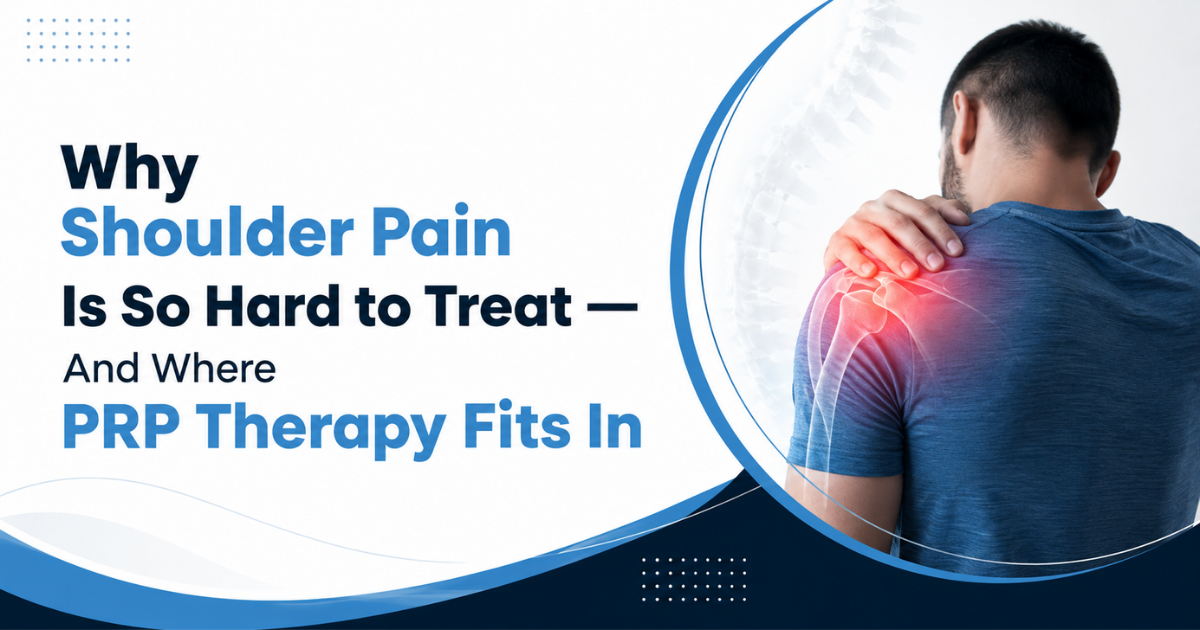
Why Shoulder Pain Is So Hard to Treat — And Where PRP Therapy Fits In

However, the high mobility of the shoulder is associated with its reduced stability compared to other joints such as the hip joint and knee joint. Moreover, there is also a possibility of developing injuries to the tendons and cartilage, including those that ensure the functioning of the joint (rotator cuff, labrum, bursa, and surrounding ligaments). Due to reduced blood circulation in these areas, recovery can be difficult.

For many people with shoulder-related issues, injections and therapy sessions go on for months, if not even years, before they manage to find an effective treatment method. In today’s world, PRP therapy is becoming increasingly popular among patients as the way to go.

PRP Effective in Treating Shoulder Disorders

Rotator Cuff Tendinopathy: Degenerative condition characterized by microtears within the rotator cuff tendons due to repetitive motions or aging. PRP helps heal the tendons by stimulating collagen production and decreasing chronic inflammation.

Partial Rotator Cuff Tears: For partial tears where the tendon has not fully torn, PRP treatment can aid the recovery process without resorting to surgery. Surgery is usually necessary when there is a complete tear of the tendon.

Glenohumeral Osteoarthritis: Condition where arthritis occurs in the ball and socket joint of the shoulder. According to a 2022 study, PRP offered superior outcomes compared to cortisone for shoulder OA after six months.

Shoulder Bursitis: Inflammation of the subacromial

 bursa. PRP can reduce chronic bursitis that has not responded to cortisone injections.

The Procedure: What to Expect

A PRP shoulder injection at Restore Spine and Pain begins the same way as any PRP treatment — a blood draw, centrifuge processing, and injection. What sets shoulder PRP apart is the precision of placement. We use ultrasound guidance to confirm the needle is positioned correctly within the target tissue — whether the glenohumeral joint, subacromial space, or directly into the tendon.

The procedure takes 60 to 90 minutes total. Most patients return to desk work and light activity within 24 hours, with strenuous overhead activity avoided for one to two weeks.

PRP in Combination with Physical Therapy

In cases where patients have shoulder-related injuries, we often suggest using PRP treatment along with physical therapy. The reason is that while PRP creates an ideal biological milieu for recovery, it is physical therapy that contributes the mechanical stimulus needed by tendon tissues to heal.

Is PRP an Effective Treatment for Shoulder Pain?

PRP is definitely not a miracle treatment; otherwise, we would harm the reputation of this procedure. The most important thing for our patients is to be honest with them.

Depending on the patient’s condition, here is the list of expected results:

Excellent results: Tendonitis and partial rotator cuff tears

Satisfactory results: Arthritis and bursitis

Mixed results: Large tears or full-thickness rotator cuff tear

Patient expectations:

Pain relief occurs gradually within 4-12 weeks

Functional improvement happens within 3-6 months

Successes may last from 1 year to even longer

Main idea: As opposed to cortisone injections, PRP works like a booster of the healing process and not a painkiller, therefore achieving long-lasting results.

Final Thoughts

Make sure you conclude with a tangible and realistic remark:

PRP might not be the ideal solution for all shoulder issues—however, in the proper case, PRP provides one advantage over conventional treatment: The opportunity to improve the condition of your body tissue, rather than masking your symptoms.

Are your shoulders consistently painful in spite of shots, physical therapy, or even periods of rest? It could be time to consider an alternative treatment method.

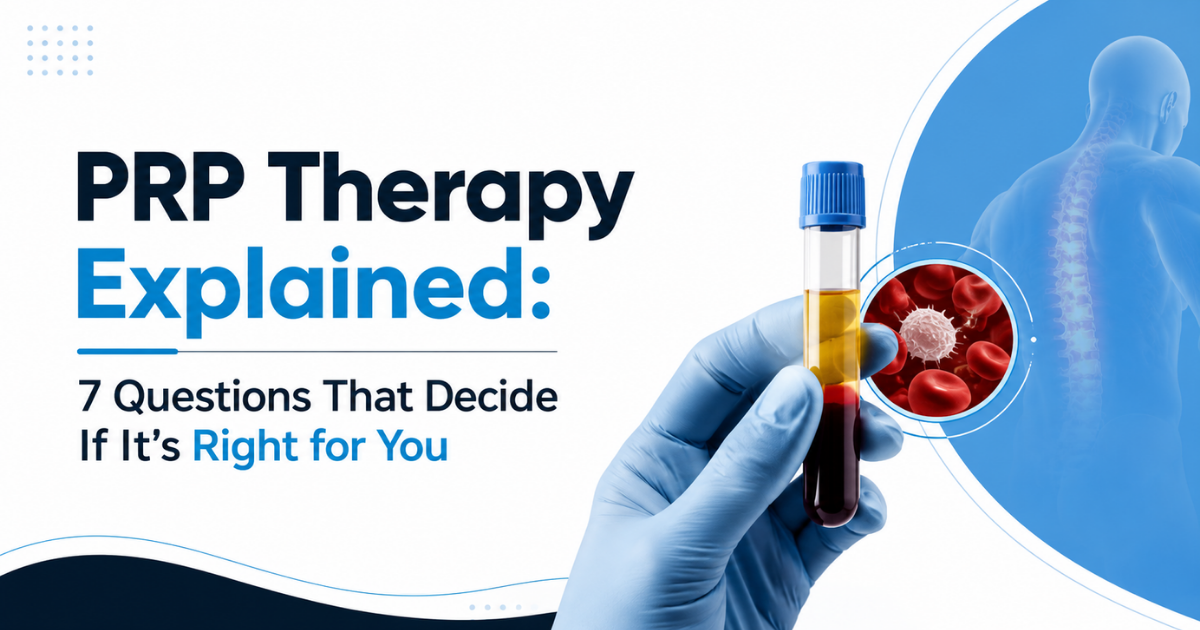
PRP Therapy Explained: 7 Questions That Decide If It’s Right for You

 Thousands of people struggling with joint pain, tendinopathy, and various degenerative conditions have gained considerable relief from PRP therapy by undergoing non-invasive procedures that do not involve the use of medication. Nonetheless, it must be pointed out that not everyone will receive equal gains from the said treatment method. As with any other form of treatment, it is crucial to choose the appropriate candidates to ensure its effectiveness.

If you have considered PRP therapy and wish to ensure that you have made the best decision, here are the seven questions that you should consider asking yourself.

Question 1: Have You Attempted Other Conservative Options?

PRP is usually suggested only after other conservative measures that should have provided sufficient relief prove ineffective. These conservative methods usually consist of physical therapy, modification of activities, weight loss, oral anti-inflammatory drugs, and sometimes even just one or two shots of cortisone.

If you have attempted all these measures without seeing substantial improvement in terms of reduced pain and disability, then you have come to the right place because it is the right time to give PRP a try. If you haven’t yet undergone physical therapy, your healthcare professional will suggest you do so before or along with PRP.

Question 2: What Stage Is Your Osteoarthritis?

When it comes to diseases such as osteoarthritis, which affects the knee joint, hip joint, or shoulder joint, disease progression is very important. PRP treatment works best for patients who have mild to moderate osteoarthritis, which means there is still some cartilage within the joint. PRP treatment will help to reduce inflammation, prevent further damage, and promote cartilage growth.

For patients with severe osteoarthritis, in which there is almost no joint space left, with bones rubbing together, PRP is not going to do much. Patients will eventually require joint replacement surgery, although PRP might be used before that point to delay surgery.

If you are not sure what grade of osteoarthritis you have, your doctor can evaluate your X-ray or MRI results.

Question 3: Is Your Pain from a Specific, Diagnosable Condition?

In order for PRP therapy to be highly effective, it is important for the practitioner to identify a specific source of pain to apply the injection with precision. PRP therapy can help with the following conditions:

  •   Osteoarthritis of the knee, hips, or shoulder
  •   Partial tear or tendinopathy of the rotator cuff 
  •   Tennis elbow or golfer’s elbow
  •   Achilles tendonitis 
  •   Patellar tendinopathy
  •   Hip bursitis
  •   Ligament sprain with continued instability

Pain that is generalized without a clear origin point may not be as easy to treat with PRP injections. Diagnosis comes first.

Question 4: Are You In Good General Health?

Since platelet-rich plasma therapy utilizes the patient’s own blood to facilitate wound healing, the general condition of the blood is a crucial factor. Patients with generally good health, normal platelet functioning, good lifestyle habits, and absence of factors which compromise healing and immune reactions have the highest chances for successful treatment with PRP.

Some medical conditions might pose an obstacle to using this therapy, among those:

  •   Active infection or other systemic illnesses
  •   Blood-related disorders with effect on platelets count/functioning
  •   Presence of cancerous formations
  •   Taking anticoagulant medication – consult your doctor about this
  •   Unstable diabetes – might hinder the healing process

Question 5: Are You Willing to Temporarily Discontinue Anti-Inflammatory Drugs?

While this is an important and pragmatic question, you need not worry. As NSAIDS such as ibuprofen, naproxen, and aspirin interfere with platelets and their function, it is crucial to avoid them for at least five to seven days prior to your PRP shot and two to four weeks after that. Using NSAIDS at the time of your PRP treatment significantly decreases its efficiency.

Should you regularly use NSAIDS to ease pain, your healthcare practitioner will recommend another course of action and suggest suitable substitutes, such as acetaminophen.

Question 6: Are You Looking for a Long-Term Solution or Quick Relief?

Realistic expectations are key. PRP is not a quick solution. The majority of patients tend to show signs of improvement in four to eight weeks from their first dose; it does not happen in days. Sometimes, it takes three to six months before experiencing the full benefits.

If one is suffering from pain and requires urgent relief in a matter of weeks prior to some event or travel, then cortisone might be a better choice as a temporary solution until other methods such as PRP can be considered. If, however, one requires a solution for damage sustained that goes beyond several months, then PRP is ideal for that purpose.

Question 7: Do You Discuss PRP with Your Patients’ Board-Certified Specialists?

This could be the most critical question of all. PRP treatment is a medical procedure that relies heavily on patient selection, injection accuracy, and post-treatment guidance. The preparation of PRP, the accuracy of injection administration, and the personalization of your treatment protocol will all make a significant difference.

At Restore Spine and Pain, PRP is applied by board-certified doctors who specialize in interventional pain management. Our injections are always guided by imaging, meaning the PRP will be injected accurately into the target site. Also, we spend some time assessing whether PRP would be the most effective treatment for your particular problem – or perhaps a different treatment method would better suit your needs.

The Correct Response: If you have answered “yes” to most of these questions, then PRP will probably be an ideal choice for you. And if you have doubts about any of these points, that’s precisely what we will discuss during your initial consultation.

Final Thought

Deciding on a therapy for pain management is an important step to take. You need to take this step with full knowledge and awareness of your expectations from that particular treatment option.

If you would like to consult with one of our specialists regarding PRP therapy, please contact Restore Spine and Pain for a candidacy consultation today.

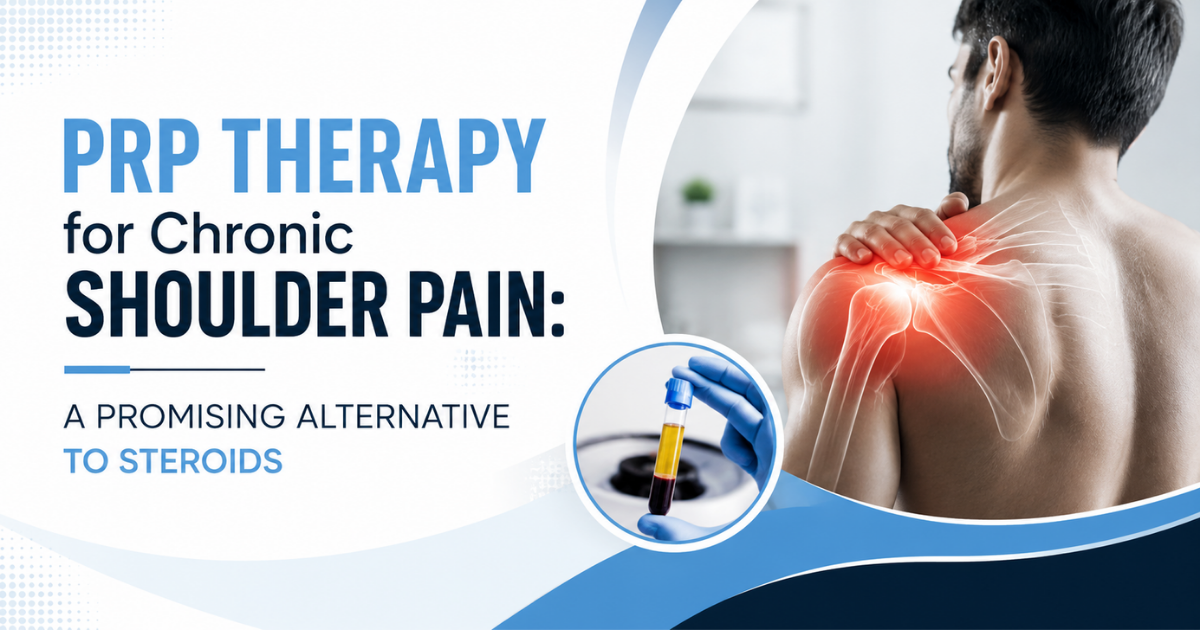
PRP Therapy for Chronic Shoulder Pain: A Promising Alternative to Steroids

Among all other joints in the human body, the shoulder is the one that enjoys the most movement ability. The joint’s complicated structure, consisting of rotator cuff tendons, glenohumeral joint, bursa, ligaments, and others, makes the joint prone to many various injuries and diseases.

Once shoulder pain turns into a chronic state, patients have to resort to multiple courses of cortisone injections and physiotherapy sessions, but without positive effects. One of the possible alternative ways of managing such a painful condition is represented by PRP treatment.

Causes of Persistent Shoulder Pain

Pain that continues to linger in the shoulder over a period of weeks or months usually indicates an underlying condition such as:

  • Degeneration or microscopic tears in the tendons of the rotator cuff, resulting from repetitive lifting overhead, aging, or previous trauma. It is the most prevalent problem with the shoulder in adults. Rotator Cuff Tendinopathy:
  • Partial tears in the rotator cuff, which result in considerable pain and loss of strength. Total tears may need surgery, while partial tears are excellent candidates for regenerative therapy. Rotator Cuff Tears:
  • Arthritis in the shoulder’s ball and socket joint, leading to deep-seated pain and gradual stiffening. Glenohumeral Osteoarthritis:
  • Bursitis in the shoulder, where inflammation of the bursa causes acute pain during movements over the head. Shoulder Bursitis
  • Tears in the labrum at the top portion of the shoulder socket, which frequently occur in individuals who throw a lot or engage in activities requiring frequent overhead motion.

How Does PRP Work in the Shoulder?

When PRP injections are administered to the shoulder, they target the injured tissues of the shoulder with growth factors, which depends on the pathology, either in the glenohumeral joint, subacromial space (bursitis and tendinopathy of the rotator cuff), or directly to the tendons under ultrasound guidance.

After PRP administration, the growth factors contained in it initiate various repair mechanisms within the body:

  •   Tendon and ligaments tissues are rebuilt due to enhanced collagen production
  •   The inflammatory response is regulated, minimizing the effects of chronic low-level joint inflammation
  •   Blood vessel formation is stimulated, allowing better oxygen and nutrients transport.

What Does the Research Say About PRP for Shoulder Conditions?

Rotator Cuff Tendinopathy

Many papers discuss PRP in rotator cuff tendinopathy, indicating that, on average, a clinically relevant improvement was observed when comparing PRP against corticosteroid injections. These results have been obtained in patients whose medium and long-term follow-up period reached six months or more.

Shoulder Osteoarthritis

In 2022, the results of the PROBE trial were published, which involved comparing PRP against corticosteroid injections to treat shoulder osteoarthritis. As the study demonstrated, although patients who received cortisone felt immediate pain relief, PRP resulted in longer-lasting pain reduction and improved functional status of joints. The difference is clinically significant because, depending on the patient’s needs, PRP may be used for a lasting solution rather than a temporary relief.

Moreover, according to the journal Clinical Journal of Sports Medicine, in patients with glenohumeral osteoarthritis, a statistically significant decrease in shoulder pain score was achieved after administering PRP or hyaluronic acid.

Partial Rotator Cuff Tears

PRP injections appear promising for treating partial tears of the rotator cuff because this approach helps to promote healing of the damaged tissue and relieve pain in the area. Patients with partial tears have to choose between surgical intervention and conservative therapy; however, PRP provides a good biological substitute for such procedures.


Who is not a candidate: Complete, full-thickness rotator cuff tears typically require surgical repair. PRP is not a substitute for surgery in these cases, though it may be used as an adjunct to support healing after repair.

PRP vs. Cortisone for Shoulder Pain: Which Treatment Works Better Long-Term?

While cortisone injections may provide quick relief from pain during an acute flare-up, it is worth noting that their effects do not fix the issue; the mode of action involves reducing inflammation and therefore does not restore damaged tissue. Repeated use of cortisone injections could eventually lead to tendon deterioration, especially with respect to the rotator cuff.

The benefits from PRP therapy may take longer to kick in – usually between four to eight weeks – but the effect comes about because of the restoration of the tissue. For individuals who have been on cortisone injections that no longer work or for whom cortisone injections only provide temporary relief, PRP therapy offers something better.

What to Expect During and After Shoulder PRP Treatment

PRP therapy for the shoulder joint follows the same protocol as for other joints: drawing blood, spinning it down in the centrifuge, and carefully injecting it into the site. The whole process usually takes between 60 and 90 minutes. The use of ultrasound helps to ensure that PRP is injected in the right spot. Following the treatment, patients will experience some discomfort in their shoulders for up to three to five days. They can go back to work at a desk or perform light duties after 24 hours. Heavy lifting or other vigorous movements need to be avoided for a period of one to two weeks. A physiotherapy regime might be suggested in conjunction with PRP therapy.

Who Should Consider PRP for Shoulder Pain?

The only way to know if you are a good candidate for PRP injections for your shoulder is through a full assessment at our office. Here at Restore Spine and Pain, we will review your scans, examine your functionality issues, and ask you about your history before recommending anything.

The individuals that seem to benefit most from shoulder PRP treatment are patients who have:

  • Rotator cuff tendinopathy which does not respond well to physical therapy
  • Gleno-humeral arthritis in a mild to moderate stage
  • Small rotator cuff tears with continued pain and loss of function
  • Bursitis of the shoulder which doesn’t respond well to cortisone injections

If you have been dealing with recurring shoulder pain, then let us help you find out how PRP can help! Call Restore Spine and Pain now to schedule your shoulder pain consultation.

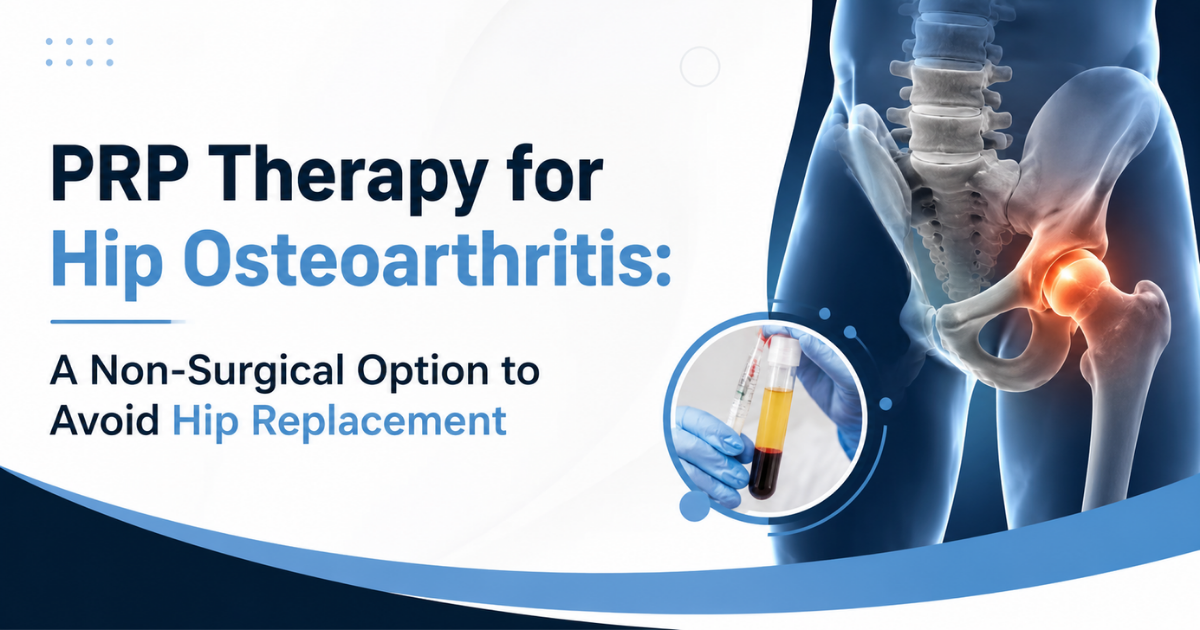
PRP Therapy for Hip Osteoarthritis: A Non-Surgical Option to Avoid Hip Replacement

Pain in the hip means more than just another ache or stiff joint. It can mean the early morning awakenings when pain forces you to get out of bed; it can mean an extra struggle to stand up after sitting down, or it can even mean being unable to do the things you once loved to do. Having trouble moving your hip joint is frustrating and draining, no matter how you look at it.

In the United States, when people talk about hip problems, there is one answer on everyone’s mind: surgery. However, surgery isn’t always a viable treatment option for every patient. This is where platelet-rich plasma (PRP) therapy comes into play.

Hip Osteoarthritis Explained: Causes, Symptoms, and Non-Surgical Treatment Options

Osteoarthritis of the hip occurs due to the wear and tear of the cushioning material that separates the bones making up the ball-and-socket joint in the hip. The deterioration of the cartilage causes the bones to grind against each other, thus resulting in pain, inflammation, stiffness, and limited mobility.

According to the CDC, approximately 32.5 million US adults suffer from osteoarthritis. Among the millions, many people who have the disease develop arthritis in their hip joints. The risk factors include advancing age, hip injury, obesity, genetic predisposition, and strenuous physical activity.

Conventional therapies such as NSAIDs, physiotherapy, corticosteroid injections, and lifestyle changes alleviate pain but do not stop joint damage. However, once the disease progresses to a level where conventional therapy fails to relieve symptoms, hip joint replacement may be considered.

PRP offers a viable option for treating the ailment as an intermediate approach between controlling pain and conducting surgery.

PRP Treatment in the Hip Joint

Since the hip joint is located deep in the body, accuracy is critical in PRP treatment. The process involves injecting the PRP into the joint space using either ultrasound or fluoroscopy at Restore Spine & Pain. The PRP treatment in the hip joint works by activating platelets that:

  • Minimize chronic inflammation in the joint capsule
  • Repair and regenerate damaged cartilage cells
  • Enhance collagen formation to maintain joint structure
  • Lubricate joints by acting on the synovial membrane

For most individuals, PRP treatment in the hip joint leads to reduced pain and increased movement without any drug or surgery-related complications.

What Does the Clinical Evidence Say About PRP for Hip Osteoarthritis?

Although the number of studies and clinical trials regarding hip PRP is less compared to knee OA, there is good news. The studies and reviews done show that hip pain sufferers with mild to moderate osteoarthritis who receive PRP shots experience significant improvements for up to one year.

The reason why we believe PRP can offer advantages over cortisone injections is that its effects are more sustained and do not come at the price of potential joint destruction. Although cortisone injections offer temporary relief faster than PRP, they only mask symptoms.

There is one point that deserves mention when considering hips – hip bursitis is very common. Hip PRP has also been found effective in treating hip bursitis, especially in patients with greater trochanteric pain syndrome who are unresponsive to cortisone injections.

Patient Perspective: Most of our patients with hip problems come to us with previous experience with cortisone shots. Initially, they work well, but eventually they stop bringing results. That’s why PRP presents an option for them, which is both non-invasive and different in nature from what they were taking before.

Can PRP Help You Avoid or Delay Hip Replacement?

That’s what all patients would like to know outright. The simple response to that is: yes, for some patients – and studies back this view.

PRP treatment does not offer a one-time solution to OA of the hip. Regeneration of completely worn-out cartilage tissue cannot be expected of it. However, PRP can relieve symptoms in patients suffering from mild to moderate OA with some cartilage remaining. PRP will decrease inflammation, inhibit joint degradation, and ease the condition enough for the patient to avoid the need for surgery for a considerable period of time.

For patients who are elderly or have numerous medical issues, PRP may offer a sensible way out of undergoing an extensive operation.

Who Is the Best Candidate for Hip PRP?

  • Adult patients with radiographic confirmation of mild to moderate osteoarthritis in their hips
  • Individuals who have not achieved satisfactory results with either cortisone or HA shots
  • Candidates who are not yet ready for surgery or who would like to postpone it
  • Athletes and active people wanting to resume their activities without any pain
  • Hip bursitis sufferers who have not received benefits from other non-surgical treatments

PRP therapy is not advisable for those suffering from end stage OA characterized by extensive bone deterioration. It is important to have a proper diagnosis of the condition after analyzing the x-rays or MRI results.

What to Expect From Hip PRP Treatment ?

The actual procedure will take place right here in our office and usually takes about 60 to 90 minutes to complete. Blood collection, PRP preparation using a centrifuge, and guided injection will be done by our highly-trained experts.

A small amount of discomfort can be expected near the site of injection for a few days after treatment. Most patients resume light activities within 24 to 48 hours after the injection. It will typically require one to three injections, given in four to six-week intervals.

The effects of the treatment will improve slowly but surely. Many patients report feeling positive changes in their condition starting from four to eight weeks after the first injection.

Start the Conversation

PRP hip treatment might just be what you need if you have tried all other means of managing hip pain through medication without success. Or maybe you are considering surgery but want to know what your other options are first.

Conclusion

The professionals who guide our practice have all been board certified in interventional pain medicine and employ state-of-the-art techniques to ensure that your PRP injections are administered in a precise and safe manner.

At our facility, we focus on personalizing your experience by evaluating your imaging studies, medical history, and creating a unique treatment regimen for you.

If you think that you would be a good candidate for PRP treatments, feel free to contact us to set up an appointment.

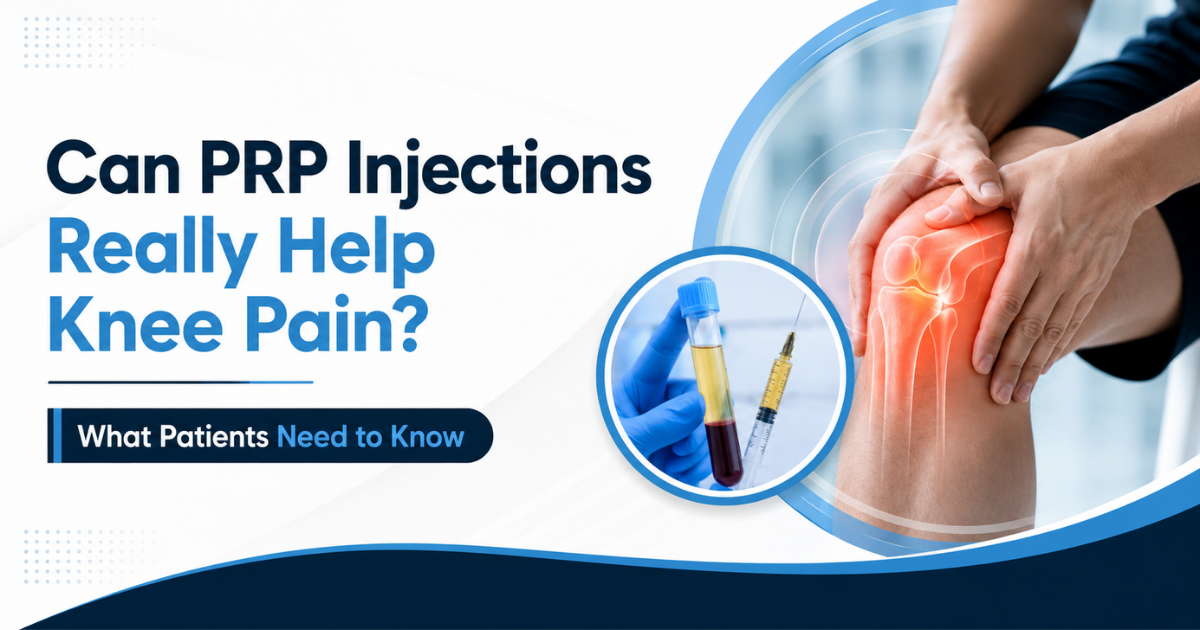
Can PRP Injections Really Help Knee Pain? What Patients Need to Know

As practitioners who specialize in treating painful and debilitating knee conditions, we understand firsthand how challenging chronic knee pain can be, especially considering its many possible causes – from osteoarthritis to a result of an accident playing sports or simply aging. Unfortunately, not everything can be fixed by taking pain medications.


One treatment for knee pain that has been talked about quite a bit recently is platelet-rich plasma injection therapy. With all the articles on the Internet about various treatments, it may become challenging to figure out which are clinically proven. This blog post will give current information on the success of PRP shots for knee problems.

Statistics on the Increase in Knee Arthritis in the US

Knee arthritis (OA) is the most common form of arthritis in the USA, with 32.5 million American adults being affected by this disease. Knee arthritis occurs when the knee joint’s protective cartilage degenerates and results in the bones rubbing against one another.

PRP for Knee Pain: A Regenerative Alternative to Traditional Treatments

These treatments — nonsteroidal anti-inflammatory drugs (NSAIDs), physiotherapy, cortisone injections, and ultimately joint replacement surgery — all have their drawbacks. Chronic NSAID consumption is associated with digestive and heart conditions. Cortisone injections offer only temporary relief and, when used repeatedly, can hasten the deterioration of the cartilage. Surgical intervention is highly effective in extreme situations, but it comes with lengthy recovery periods and inherent risks.

Platelet-rich plasma (PRP) has made its way into the discussion as a regenerative option that focuses on the biological nature of joint degradation.

How PRP Supports Knee Healing at a Cellular Level

When PRP is injected into the knee joint, the platelets secrete proteins such as PDGF (platelet derived growth factor), TGF-β (transforming growth factor-Beta), and VEGF (vascular endothelial growth factor). This combination of proteins helps in:

  • Limiting inflammatory processes in the joint
  • The creation of new chondrocytes and collagen production
  • The synthesis of synovial fluid , thus improving lubrication in the joints
  •   The inhibition of cartilage degradation

Since the PRP is injected straight into the joint space, preferably with the help of ultrasound technology, the action of the growth factors is focused on precisely where the damage occurs.

Is PRP Better Than Steroid Injections for Knee Pain? Here’s What Studies Show

PRP Versus Cortisone: Duration of Effect

Research comparing PRP therapy to cortisone shows that even though cortisone works faster, PRP provides more lasting effects in terms of pain management and increased joint function. According to the data collected from several studies through 2025, PRP gives noticeable results between 12 and 24 months after an injection, which means that its duration of action outlasts that of cortisone by more than twice as much (6 to 12 weeks).

PRP Versus Hyaluronic Acid (Gel Injection)

The other type of injection used for knee osteoarthritis is hyaluronic acid or gel injection. Numerous meta-analyses show that in comparison with PRP therapy, the effect of such an intervention is inferior in terms of relieving pain and improving joint function at the six- and twelve-month markers.

Cartilage Preservative Properties of PRP

Recent developments in medical imaging techniques suggest that platelet-rich plasma might slow down the process of cartilage depletion within joints affected by arthritis. Even though PRP does not cure osteoarthritis, preliminary evidence points to the possibility of preserving joint health with PRP therapy.

Patient-Reported Outcomes

Clinical studies reveal that patients receiving treatment with PRP for osteoarthritis of the knee have reported significant gains in pain scales, walking, climbing stairs, and general daily functioning. The levels of satisfaction have been reported to be very high, especially in mild and moderate cases of OA with healthy cartilage.

Who Is the Right Candidate for PRP in Knee Osteoarthritis?

The PRP treatment is recommended only in cases of mild to moderate knee osteoarthritis. People who suffer from bone-on-bone deterioration and have no cartilage remaining may be inappropriate candidates for the procedure.

How Many Injections Are Typically Needed?

Typically, knee osteoarthritis PRP treatment consists of one to three injections, with each dose administered every four to six weeks. Many patients report significant improvement following just one injection, whereas others require more treatments. Nevertheless, the healing process triggered by PRP injections will continue long after the last session, as the process takes several weeks or months before it reaches its end point.

Who Is the Right Candidate for PRP Knee Injections?

PRP is likely to have optimal results on those who:

  • Have a diagnosed case of mild to moderate knee osteoarthritis
  • Have not gained satisfaction from undergoing physical therapy or anti-inflammatory drugs
  • Have not reached the point where their joints begin to deteriorate severely
  • Are in relatively good general health and do not smoke (or only occasionally smoke)

The comprehensive assessment process that we conduct here at Restore Spine and Pain will help us decide if you are an ideal candidate for PRP.

What to Expect Before and After Your Knee PRP Injection ?

Before the treatment, you will be instructed to discontinue using anti-inflammatory drugs like ibuprofen and naproxen for at least five to seven days since these drugs impair the functionality of platelets, thereby hindering the efficacy of PRP. Adequate hydration is also recommended during the pre-treatment period.

Following the treatment, some soreness and swelling may occur in the area of the knee, but these effects usually last only for three to five days. Walking and performing minor tasks are allowed right away, although intense physical exercises are advised to be avoided for one to two weeks.

Conclusion

However, there have been many more studies conducted within the last couple of years concerning the benefits of PRP on osteoarthritis of the knee. Although not all patients will benefit from PRP and it is not a magic solution for all knee problems, for the proper candidate PRP can provide a natural solution without surgery.

If your knee joint pains and conventional treatments are not sufficient, then maybe the time has come to consider other possible options for treatment and to consult about PRP with our specialists at Restore Spine and Pain Clinic.

Call us today and schedule an appointment.