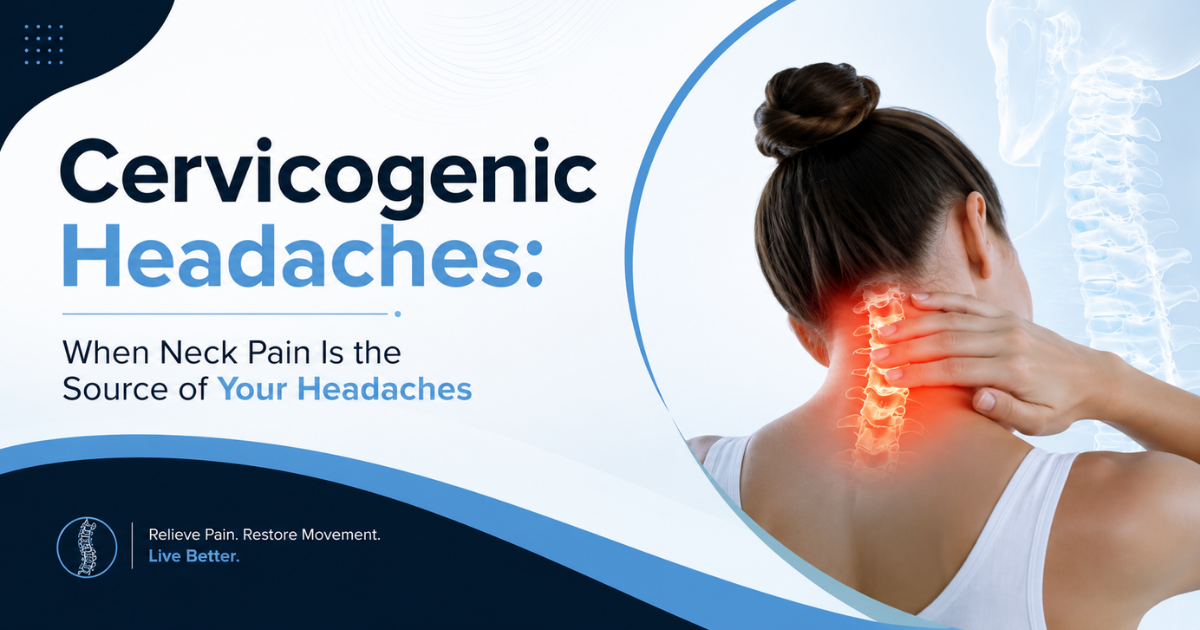
Cervicogenic Headaches: When Neck Pain Is the Source of Your Headaches

Location:
Holly Springs | Fuquay-Varina | Apex | Cary | Raleigh, North Carolina

Not all headaches begin in the head.Cervicogenic headaches are caused by the dysfunction of the cervical spine, which may be due to irritation or arthritis of the joints, muscles, or nerves of the neck. Cervicogenic headaches are often overlooked and can persist if the neck problem is not treated.

At Restore Spine and Pain, we frequently see patients who have been experiencing chronic headaches that have not responded to typical headache treatments, only to discover that neck issues are the underlying cause.

What Causes Cervicogenic Headaches?

Cervicogenic headaches are caused by the referral of pain from the neck to the head. They are commonly due to:

  • Inflammation or arthritis of the cervical facet joints
  • Degenerative conditions of the cervical spine
  • Muscle tightness and trigger points
  • Poor posture and forward head posture
  • Previous neck injury or whiplash trauma

Because the upper cervical nerves travel the same course as the nerves that carry pain from the head, neck problems can cause headaches.

Common Symptoms of Cervicogenic Headaches

Patients with cervicogenic headaches may experience:

  • Pain originating from the base of the head
  • Headache that is typically one-sided
  • Neck stiffness or limited mobility
  • Headache pain exacerbated by neck movement or posture
  • Shoulder or upper back pain
  • Neck muscle tenderness

Unlike migraines, cervicogenic headaches are less likely to be accompanied by nausea, photophobia, or aura.

How Cervicogenic Headaches Are Diagnosed

Diagnosis involves a careful history and physical examination, with particular attention to the neck.

The process of diagnosis includes:

  • Headache pattern and trigger point analysis
  • Neck mobility and posture analysis
  • Musculoskeletal and neurological examination
  • Cervical imaging analysis when available

It is critical to recognize the neck as the source of headache pain to effectively treat the condition.

How We Treat Cervicogenic Headaches at Restore Spine and Pain

Restore Spine and Pain treatment focuses on the underlying neck condition, not just the headache pain.

  • Treatment options may include:
  • Physical therapy and postural retraining
  • Image-guided cervical facet injection or medial branch block
  • Radiofrequency ablation in carefully selected patients
  • Activity and ergonomic modifications

The goal of these treatments is to reduce pain from the neck and offer improved long-term headache relief.

Get Back to Living Without Headaches

If headaches are associated with neck pain, then neck treatment is the answer to a headache-free life. If headaches persist despite conventional treatments, then cervical spine evaluation may provide the answers.

Call Restore Spine and Pain today to schedule an assessment and learn if your headaches are coming from your neck.

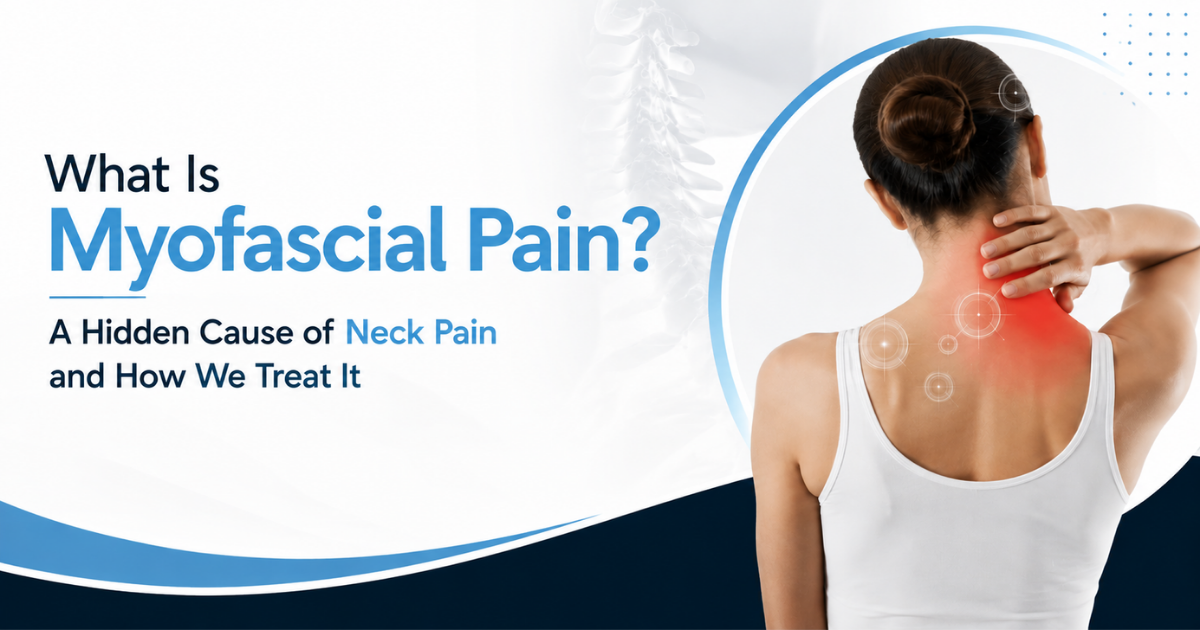
What Is Myofascial Pain? A Hidden Cause of Neck Pain and How We Treat It

Not all neck pain is due to joints or nerves. Sometimes, the problem of neck pain is with your muscles — and that’s where myofascial pain syndrome comes in. This condition involves tender trigger points in tight muscles that cause pain.


What Is Myofascial Neck Pain?


Myofascial pain syndrome can be characterized by the following symptoms:

– Ongoing pain and stiffness in the neck

-Pain that spreads in the shoulder or upper back area

– Tightness that doesn’t improve withĀ  regular stretching

– Sensitive, painful ā€œknotsā€ felt deep within the muscles

Ā Factors like muscle strain, poor posture, daily stress, or past injuries can play a major role in the development of these trigger points.


How We Treat Myofascial Neck Pain

At Restore Spine and Pain, we take a personalized approach to help reduce muscle tension and restore movement. Depending on your needs, treatment may include:

  • – Guidance on improving Ā your posture and lifestyle habits

  • – Physical therapy to help stretch and strengthen your muscles

  • – Therapies such as heat, ultrasound, or electrical stimulation

  • – Trigger point injections to relax tight muscles

Our goal isn’t just short-term relief; we focus on addressing the root cause to support long-term healing and prevention.


A Pathway Back to Comfort

Myofascial pain can be quite stubborn, but with the right combination of care, many patients can see a significant improvement. If you have tried ā€œwaiting it outā€ with only limited success, a more tailored approach may make all the difference.

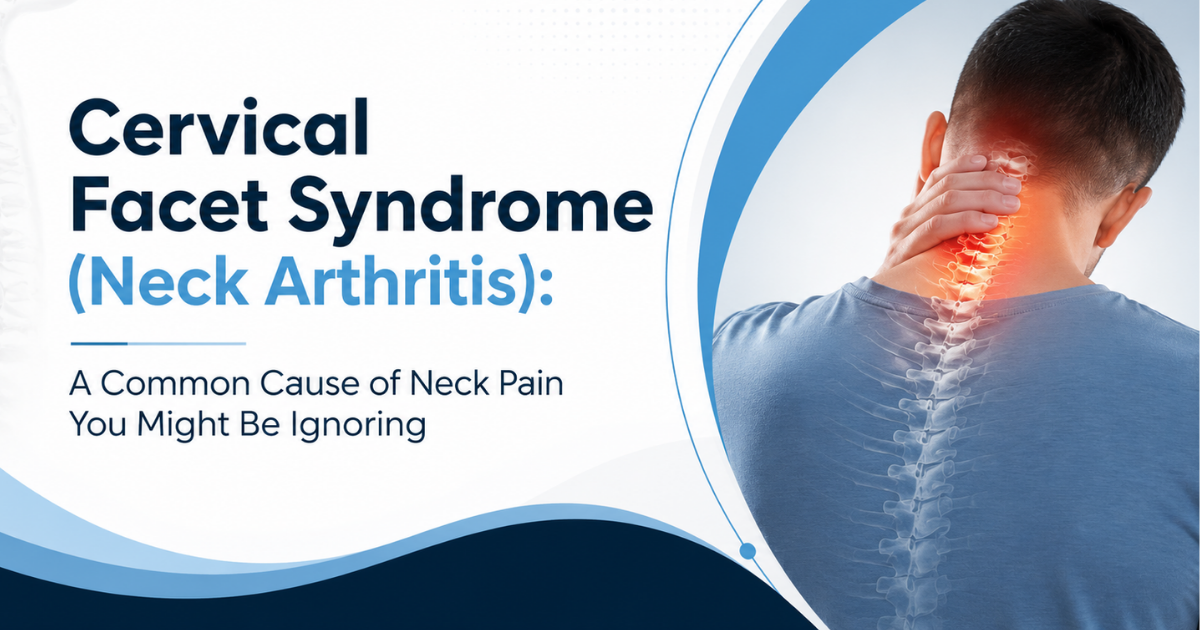
Cervical Facet Syndrome (Neck Arthritis): A Common Cause of Neck Pain You Might Be Ignoring

Do you wake up with a stiff neck that gets worse when you turn or twist?It may not be a ā€œkinkā€ in the neck but rather cervical facet syndrome (neck arthritis), a common yet often overlooked cause of neck pain.

What Are Facet Joints?

Facet joints are small joints that give stability to the cervical spine. Facet joints act as a restriction to the movement between two adjacent cervical vertebrae. Facet joints can become irritated or arthritic due to injury or wear and tear. When this happens, you may experience pain that is more deep-seated than muscle pain.

  • Possible Symptoms of Facet Syndrome
  • Individuals with cervical facet syndrome may experience:
  • A dull, aching pain in the back and side of the neck
  • Pain that increases with extension (looking up)
  • Stiffness and loss of range of motion
  • Referred pain in the area of the shoulder blade

These symptoms may resemble muscular strain in the neck, but do not always respond to typical stretching and rest.

Common Causes of Facet Joint Irritation

  • The following are common contributing factors:
  • Aging and natural wear and tear
  • Repetitive strain injuries to the neck
  • Poor posture (such as forward head posture from computer use)
  • Previous injuries or whiplash
  • Facet joints can become irritated or develop arthritis, leading to chronic pain.Ā 


How We Treat Cervical Facet Syndrome at Restore Spine and Pain

Our treatment plan is centered on relieving irritated joints and restoring the neck range of motion through:

  • Posture and ergonomic advice to decrease strain
  • Customized physical therapy and exercise retraining
  • Specific injections, such as cervical medial branch blocks and radiofrequency ablation, to reduce irritation

These methods are intended to promote comfort without resorting to unnecessary surgery when possible.Ā 


Don’t Let Neck Pain Stop You

Neck pain can restrict your activities and enjoyment of life. If you have not already, Restore Spine and Pain can provide a complete assessment and customized treatment plans to target the underlying cause, not just the symptoms.


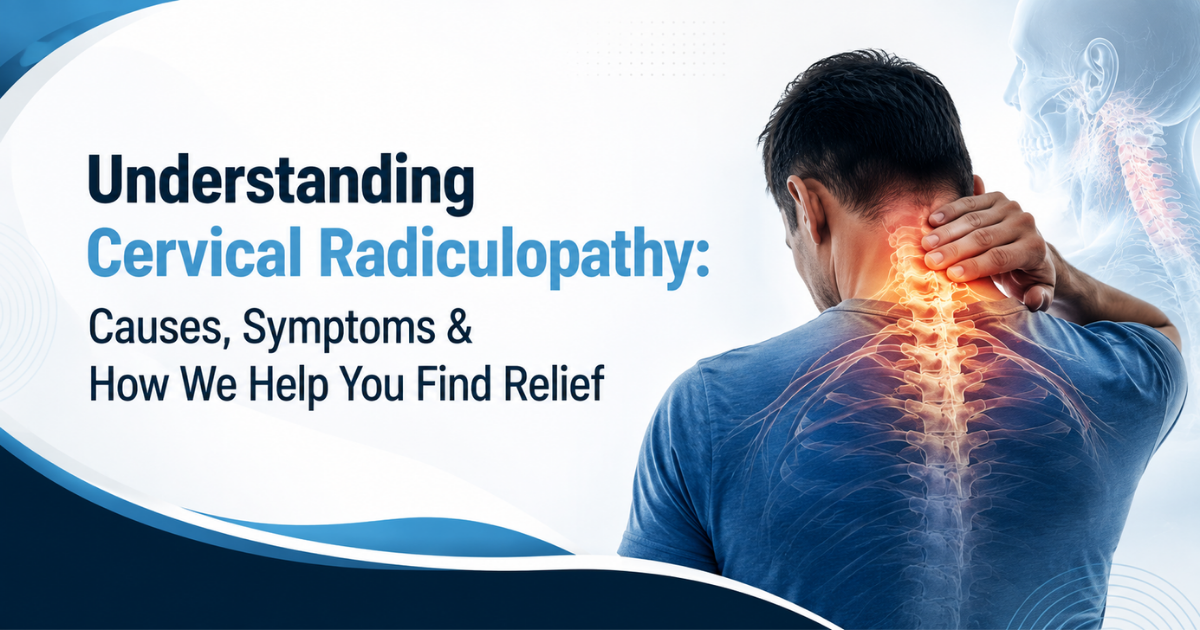
Understanding Cervical Radiculopathy: Causes, Symptoms & How We Help You Find Relief

Neck pain can be caused by many things other than just tight muscles. Neck pain that radiates into arms, hands, and fingers could mean you have cervical radiculopathy, also known as a ā€˜pinched nerve’ in the neck.Ā  This condition is not just about pain sensations and can affect not just sleep but also your basic movements and activities.

What Is Cervical Radiculopathy?

Cervical radiculopathy is a condition in which a cervical nerve root is irritated. These nerve roots leave the spinal column and carry messages related to sensation and strength to your hand, arm, and shoulder. They can be irritated due to compression caused by disc herniations, degenerative changes, and even arthritis.

Common Symptoms to Watch For

Complaints are commonly described by patients with cervical radiculopathy:

Neck pain radiating into the arm or hand

Tingling, burning, or numbness of the fingers

Weakness or clumsiness in the shoulder, arm, or hand muscles

Pain, discomfort that may be exacerbated by specific movements of the head

These symptoms often appear on one side of the body and can vary in intensity from mild discomfort to sharp, nerve-like pain.

Why It Happens

  • Several things can cause cervical nerve compression, and these are:
  • Degenerative Disc Changes and Cervical Arthritis
  • Herniated or Bulging Discs
  • Bone spurs that constrict the nerve exits
  • Repetitive strain injury of the neck
  • Activities that involve poor posture or repeated overhead or forward bending can also lead to increased risk.

How We Diagnose and Treat Cervical Radiculopathy

In our office at Restore Spine and Pain, we start with a thorough evaluation, which includes a physical exam and review of imaging studies. From there, your treatment is tailored to fit the specifics of your symptoms and goals.

Our evidence-based strategies could include:

  • Conservative Care: Emphasis on postures, movement, and muscle strength
  • Physical therapy and exercise at home
  • Non-opioid pain management options
  • Fluoroscopic-guided cervical epidural steroid injections for reducing inflammation and irritation of nerves
  • In a few instances, a collaborative care approach involving spine surgeons and neurologists can be advocated.

Your Next Step Toward Relief

Suffering from neck pain that is not merely ā€œaching,ā€ but is, instead, radiating, tingling, or even weakening your arm? Consult the expert team at Restore Spine and Pain to create a personalized plan of treatment designed to provide long-term solutions.

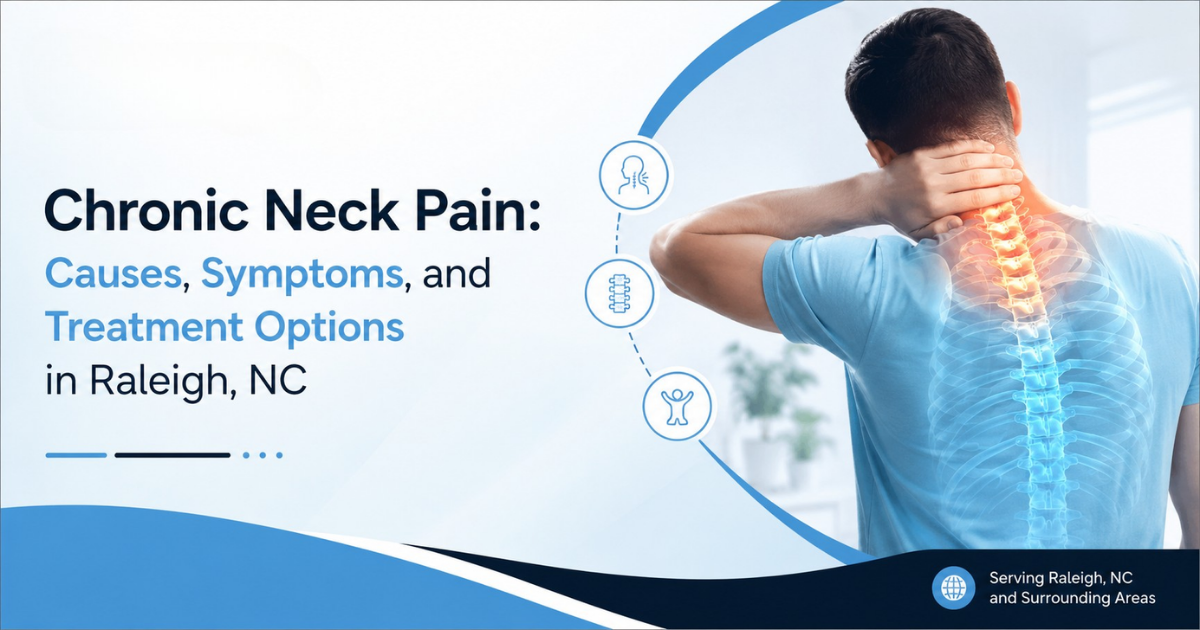
Chronic Neck Pain: Causes, Symptoms, and Treatment Options in Raleigh, NC

Chronic Neck Pain: When Neck Pain Doesn’t Go Away

Generally, chronic neck pain refers to the sensation of pain that lasts for more than three months. Unlike other pains that can be easily explained as resulting from muscle strain, chronic pain is usually the expression of underlying problems that affect the muscles, joints, or discs.

At Restore Spine and Pain, we help patients from Raleigh, Cary, Holly Springs, Apex, and Fuquay-Varia who suffer from persistent neck pain even after resting, using medication, or having physical therapy. Our approach begins by understanding the reason behind such painful conditions and why neck pain tends to become a lingering problem.


Common Causes of Chronic Neck Pain

Most chronic neck pain is not due to a single cause but rather a multifactorial process that may include:

Cervical Facet Joint Arthritis

Degenerative disc disease

Cervical radiculopathyĀ 

Myofascial pain and muscle trigger points

Poor Posture or postural imbalanceĀ 

Repetitive strain from work or other activities

Previous neck injuries or whiplash

Over time, neck pain that is not properly treated or is under-treated may cause stiffness, loss of mobility, and problems with everyday activities.

Symptoms of Persistent Neck Pain

Patients with chronic neck pain may experience:

  • Ongoing neck stiffness or soreness
  • Pain that worsens with movement or prolonged sitting
  • Limited range of motion
  • Headaches related to neck tension
  • Shoulder or upper back discomfort
  • Muscle tightness or spasms
  • Intermittent arm pain, numbness, or tingling

Symptoms can fluctuate in intensity and may worsen with stress, poor posture, or physical activity.

Why Chronic Neck Pain Is Often Missed or Undertreated

Most people believe that neck pain is part of aging or desk work and therefore delay seeking evaluation. Some receive symptomatic treatment that does not try to identify the source of the pain.

Chronic neck pain tends to be persistent in nature because:

There are multiple pain generators involved.

The posture and movement patterns are not attended to.

Overlapping musculoskeletal and nervous problems

Inflammation is not effectively treated

As such, an in-depth evaluation is necessary to ascertain why the pain is persisting.Ā 

How Chronic Neck Pain Is Diagnosed

Evaluation at Restore Spine and Pain begins with a careful history and physical examination, emphasizing the origin of symptoms and how those symptoms impact daily living.

Evaluation may include:

Comprehensive musculoskeletal and neurological examination. This includes assessments of posture and movement patterns. Muscle, joint, disc, or nerve involvement can be identified. This will help in delineating the main pain factors and thereby focusing the treatment.

Review of imaging studies including X-ray, MRI or CT scans of the cervical spine.Ā Ā 

Treatment Options for Chronic Neck Pain

Treatment is personalized depending on the diagnosis, severity of symptoms, and the goals of the patients. They may involve:

Physical Therapy and Rehabilitation

Focused therapy to help develop strength, flexibility, posture, and cervical stability.

Activity and Ergonomic Modifications

Recommendations on how to properly set up workstations, sleeping positions, and postural retraining/education.

Non-Opioid Pain Management

Strategies that provided evidence-based, long-term solutions rather than temporarily relieving symptoms.

Image-Guided Interventional

Other procedures, like a cervical epidural injection of steroids or facet joint injections, might provide benefits such as reduced inflammation.

When to Seek Care for Chronic Neck Pain

If it has already been more than a few weeks since the pain in the neck started, or if it limits daily activities, it might be necessary to thoroughly evaluate it to prevent further progression of the condition.

Chronic Neck Pain Care at Restore Spine and Pain

Restore Spine and Pain delivers comprehensive care to those in need of relief from prolonged chronic neck aching, emphasizing proper diagnosis, customized treatment, and regaining functionality.

Failure to see improvement in neck discomfort, consider seeking an appointment with Restore Spine and Pain to discuss treatment options and find a solution to the issue.

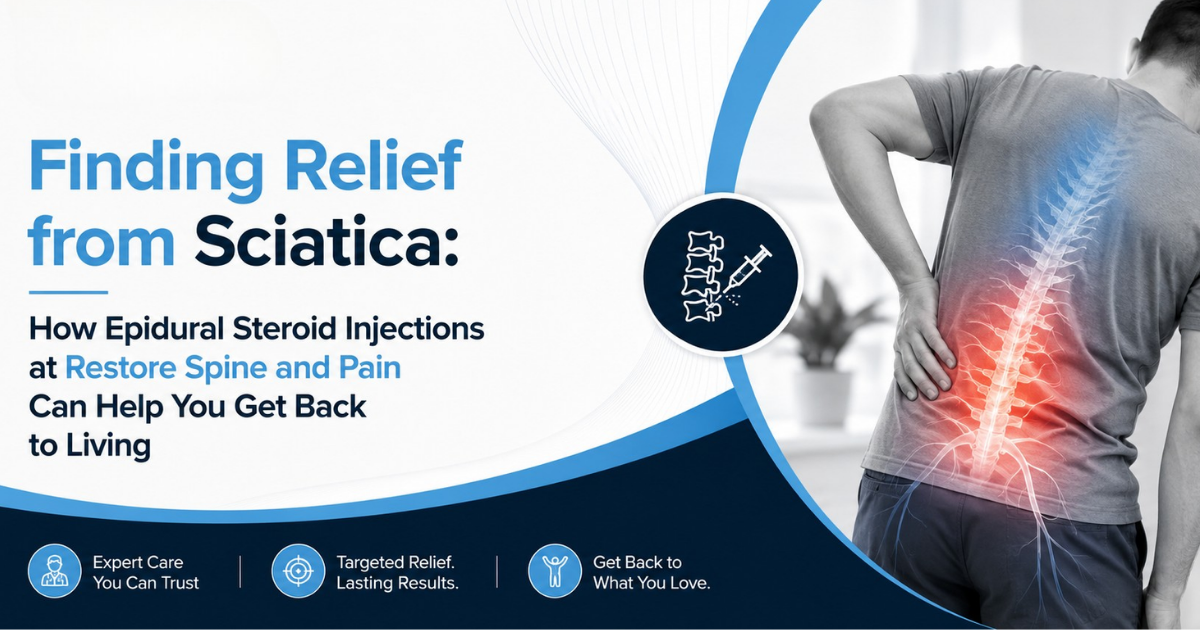
Finding Relief from Sciatica: How Epidural Steroid Injections at Restore Spine and Pain Can Help You Get Back to Living

Raleigh | Cary | Holly Springs, North Carolina

Understanding Sciatica — When Back Pain Becomes Nerve Pain

If you’ve ever felt a sharp, shooting pain running from your lower back down through your leg, you may be experiencing sciatica — one of the most common causes of lower back and leg pain.

At Restore Spine and Pain, we help patients across Raleigh, Cary, and Holly Springs find long-term relief from sciatic nerve pain through precise, minimally invasive, and evidence-based treatments — including fluoroscopic-guided epidural steroid injections.

Our mission is simple: Relieve Pain. Restore Function. Reclaim Life.

What Is Sciatica?

Sciatica is not a diagnosis itself — it’s a symptom of irritation or compression along the sciatic nerve, the largest nerve in the body.

This nerve originates from several spinal nerve roots in the lower lumbar spine (L4–S3) and travels down the back of the leg. When these nerve roots become inflamed or compressed, pain can radiate from the lower back into the buttock, thigh, calf, or foot.

Common causes include:

  • Herniated or bulging lumbar disc
  • Lumbar spinal stenosis (narrowing of the spinal canal)
  • Degenerative disc disease
  • Bone spurs or arthritis compressing a nerve root
  • Post-surgical or traumatic nerve irritation

Recognizing the Symptoms of Sciatica

While symptoms vary, most people describe:

  • Sharp, shooting, or burning pain radiating down one leg
  • Tingling or numbness in the foot or calf
  • Weakness when standing or walking
  • Pain that worsens with sitting, coughing, or bending forward
  • Temporary relief when standing or walking short distances
pain blog

Diagnosing the Source of Sciatic Pain

At Restore Spine and Pain, every care plan starts with a thorough diagnostic evaluation to identify the exact source of pain.

This may include:

  • A detailed medical history and physical examination
  • Assessment of pain patterns and nerve distribution
  • Review of imaging studies (MRI, X-ray, or CT as indicated)
  • Diagnostic nerve root or epidural injections, if appropriate

By pinpointing the specific spinal level and nerve root involved, we ensure that treatment is precise, effective, and individualized.

Epidural Steroid Injections: Targeted Relief for Sciatica

When sciatic nerve pain doesn’t respond to conservative measures like physical therapy or oral medication, an epidural steroid injection (ESI) offers a safe, effective, and non-surgical option.

What Is an Epidural Steroid Injection?

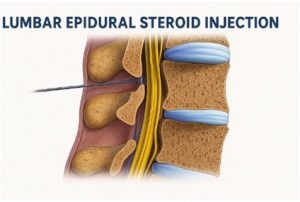
An epidural steroid injection delivers a small amount of anti-inflammatory corticosteroid medication directly into the epidural space — the area surrounding the irritated spinal nerve root.

This treatment works by:

  • Reducing inflammation and swelling around the affected nerve
  • Relieving pain and nerve pressure
  • Allowing improved mobility and function
  • Enabling greater participation in physical therapy and daily activity

All procedures at Restore Spine and Pain are performed under fluoroscopic (X-ray) guidance for accuracy and safety.
image

Types of Epidural Steroid Injections

Depending on the underlying cause and anatomy, one of the following approaches may be recommended:

  1. Transforaminal Epidural Steroid Injection – Targets a specific nerve root exiting the spine.
    • Ideal for herniated discs or nerve root irritation.
    • Provides focused medication delivery to the inflamed area.
  2. Interlaminar Epidural Steroid Injection – Places medication in the central epidural space.
    • Useful for broader spinal inflammation or stenosis.
  3. Caudal Epidural Steroid Injection – Accesses the lower epidural space through the sacral region.
    • Typically used when other routes are not accessible or for post-surgical patients.

These procedures are outpatient, completed in under 20 minutes, and designed for comfort and precision.

What to Expect During the Procedure

  1. You’ll lie comfortably on the table while the skin is cleaned and numbed.
  2. Using fluoroscopy, a thin needle is guided precisely into the epidural space.
  3. Contrast dye confirms accurate needle placement.
  4. The corticosteroid mixture is gently injected around the affected nerve root.

Some patients notice temporary pressure in the leg immediately after the injection. Most return to light activity the same day, with improvement often noticed within a few days to one week.

Expected Relief and Recovery

The results from an epidural steroid injection can last weeks to several months, depending on the condition and individual response.

Benefits often include:

  • Decreased back and leg pain
  • Improved walking and sitting tolerance
  • Better sleep and daily function
  • Increased ability to participate in therapy

For persistent cases, a series of injections spaced several weeks apart may be recommended to achieve longer-lasting relief.

Comprehensive Care Beyond the Injection

At Restore Spine and Pain, epidural injections are one part of a comprehensive, function-focused treatment plan.

Our multidisciplinary approach includes:

  • Physical therapy to strengthen and stabilize the spine
  • Posture and ergonomic training to reduce spinal stress
  • Home exercise guidance to maintain flexibility
  • Lifestyle and activity modifications for long-term wellness

The goal is not just to relieve pain but to help patients move better, work better, and live better.

When Surgery May Be Considered

Most individuals improve without surgery. However, surgical evaluation may be necessary if there is:

  • Severe, progressive weakness
  • Persistent pain despite conservative care
  • Neurological dysfunction or spinal instability

Restore Spine and Pain collaborates closely with trusted spine surgeons to ensure a seamless continuum of care when surgical intervention is appropriate.

Why Choose Restore Spine and Pain for Sciatica Relief

  • Advanced, image-guided spine procedures performed in a comfortable, modern setting
  • Evidence-based, non-surgical treatments for back and nerve pain
  • Personalized care plans tailored to each patient’s functional goals
  • Convenient access for patients throughout Raleigh, Cary, and Holly Springs
  • A team dedicated to helping you relieve pain, restore function, and reclaim your quality of life

Take the Next Step Toward Relief

If sciatica is keeping you from living the life you love, we’re here to help.

šŸ“ Visit restorespineandpain.com to learn more about epidural steroid injection treatments and schedule a consultation today.

At Restore Spine and Pain, relief is possible — and recovery starts here.