


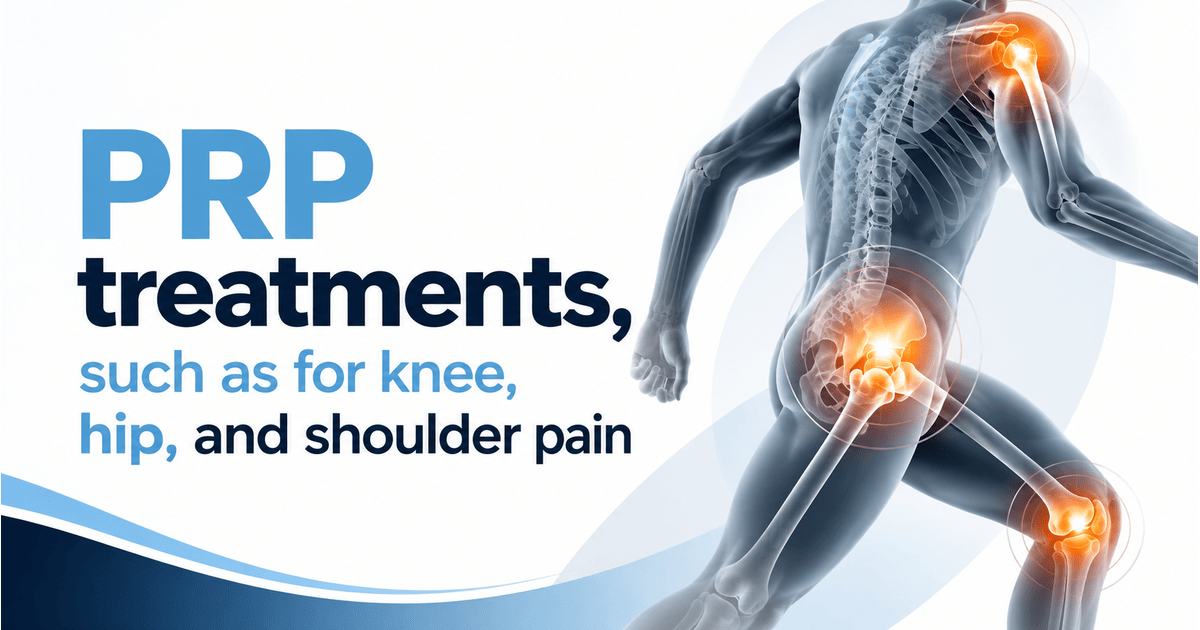
The use of PRP therapy is increasing for the treatment of knee, hip, and shoulder pain because they assist the body’s natural process of recovery and reduce pain. PRP therapy can be especially helpful for problems such as osteoarthritis, meniscus tears, tendon injury, and ligament injury. The therapy works by administering platelet-rich plasma, which comes from the individual’s blood, into the joint.
What is PRP Treatment?
The PRP (Platelet Rich Plasma) therapy involves using the patient’s own blood as a treatment for tissue regeneration.
The basic steps involved in this process include:
Drawing a small quantity of blood from the body of the patient.
Placing this blood in a spinning device.
Injecting the concentrated platelets into the inflamed part of the body.
The use of platelets, which are packed with growth factors, helps the body in:
Regeneration of damaged tissue cells.
Reducing the inflammation in the affected area.
Accelerating the healing process.
PRP For Knee Pain
Common Causes of Knee Pain
Knee pain is one of the most common complaints that adults have. It can be due to:
- Osteoarthritis
- Torn ligaments, such as an ACL tear
- Injury to the meniscus
- Wear and tear
The Role of PRP in Knee Pain Relief
PRP therapy can help a patient suffering from knee pain by:
- Reducing joint inflammation
- Increasing flexibility
- Slowing down the process of cartilage degradation
- Relieving knee pain
Most people experience steady improvement, but it usually takes weeks to see noticeable improvement.
PRP Therapy for Hip Pain
Causes of Hip Pain
Hip pain affects many everyday activities, including walking and sitting. The causes of hip pain include:
- Arthritis in the hips
- Torn labrum
- Tendinopathy
- Muscle sprain
Advantages of PRP Therapy on the Hip Joint
- It can help with the healing of tissue
- Improving joint mobility
- Making joints less stiff
- Prevent joint replacement for some people
Because it is a deeper joint, PRP treatment must be done under image guidance.
PRP Therapy for Shoulder Pain
Common Conditions That Cause Shoulder Pain
Common reasons for shoulder pain include:
Rotator cuff injury
Tendinitis
Frozen shoulder
Overuse (common among athletes or office workers)
Role of PRP in Helping With Shoulder Recovery
PRP helps by:
Repairing tendons
Reducing joint inflammation
Increasing mobility
Preventing permanent damage
That’s why PRP is used both by athletes and people suffering from general shoulder pain.
What to Do on Your PRP Therapy Session
Here is what happens during a standard PRP procedure:
Initial Consultation – The doctor assesses your case
Drawing Blood – A small volume of blood is drawn from your body
Platelet Separation – Platelets are isolated. Injections of PRP in the Joint
Following the Procedure
Temporary pain may occur for several days
Most people resume their usual activities soon after
Results are typically seen within a few weeks
PRP Treatment Options: Is PRP Suitable for You?
PRP is generally suggested for situations where:
Pain does not subside with rest or physiotherapy
Surgery is to be avoided
A natural alternative is desired
But it can be combined with therapies such as:
Physiotherapy
Healthy lifestyle choices (diet, exercise)
Inflammation reduction techniques
Your doctor will devise a unique plan according to your needs.
When Should I See a Doctor?
Don’t ignore your joint pain. You should see a doctor if:
Your pain persists for several weeks
There is any inflammation or stiffness in your joint
It’s difficult to move
The pain is affecting your ability to carry out daily tasks and sleep
You have sustained an old injury which has failed to heal completely
Are There Any Associated Risks?
PRP is relatively safe as it uses the patient’s own blood. But as with all procedures, there may be small risks associated with PRP such as:
Discomfort where the injections have been administered.
Swelling Very rarely, an infection.
Working with a skilled professional greatly lowers these risks.
Frequently Asked Questions (FAQs) Regarding PRP Treatment
1.How Long Does PRP Treatment Last?
The duration depends on individual cases, but in general, most patients receive a relief that lasts between 6 months and a year or even more.
2.Is PRP treatment painful?
PRP injections typically cause mild discomfort, which goes away shortly.
3.How many PRP sessions should I undergo?
Some people get results after just one PRP session, while others require 2-3 treatments.
4.PRP treatment covered by American health insurance?
Usually, PRP treatment is considered to be optional; thus, it may not be covered by your insurance policy
5.Can I Resume Normal Activities After PRP Treatment?
Patients can usually continue their daily routine after one or two days, though heavy physical activity may need to wait.
Final Thoughts: A Natural Path Toward Pain Relief
A Naturally Occurring Solution for Pain Relief
When suffering from joint pain in your knee, hip, or shoulder, this condition could impact your mobility, mental health, and well-being. However, you don’t need to resort immediately to surgical options or prolonged drug use.
PRP therapy provides an exciting, natural alternative that harnesses your body’s inherent abilities to heal and relieve your discomfort.
If you’ve been struggling with persistent pain and require a more tailored approach, consider exploring the benefits of PRP therapy.