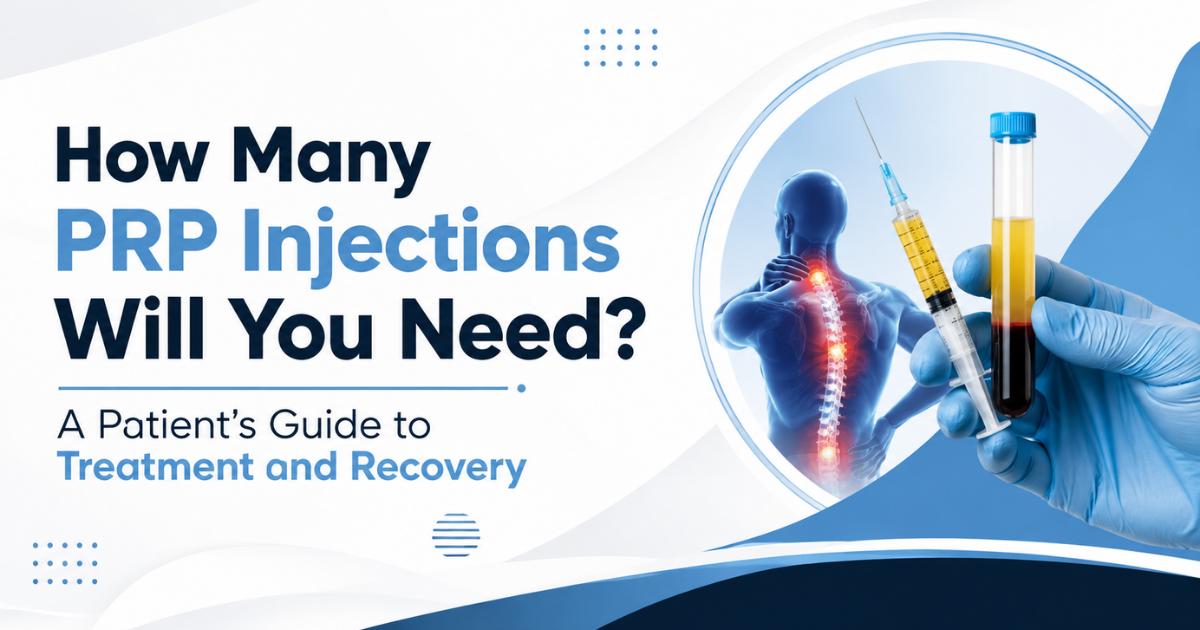
How Many PRP Injections Will You Need? A Patient’s Guide to Treatment and Recovery

One of the most frequent inquiries a patient may make prior to scheduling an appointment for PRP therapy is quite often the most realistic as well: How many sessions am I going to need?

This is a completely reasonable concern. No one wants to undergo any kind of procedure without knowing anything about its course. The truthful response would be that the amount of PRP injections needed can vary, depending on numerous factors associated with one’s health condition – but there is a clear framework to follow.

PRP Treatment Protocol: How Many Sessions and How Often?

This surprises people.

When your knee or shoulder hurts, your first instinct is to stop using it. Short-term rest is fine. But complete rest for days or weeks? That usually backfires.

Joints need movement. Controlled movement.

Low-impact activities like:

  • Walking
  • Swimming
  • Light cycling
  • Gentle stretching

help maintain circulation and reduce stiffness. Movement really does help with joint pain relief.

The Importance of Spacing Treatments

It is important to remember that platelet-rich plasma does not show results instantly. For several weeks after an injection, the growth factors secreted by platelets initiate the healing process, stimulating the development of fresh collagen fibers and reducing chronic inflammation.

The whole healing process requires approximately four to six weeks before reaching its full potential. Spacing injections by the same period ensures that each session works together in building up to success.


PRP Treatment Results Timeline: How Your Body Heals Over Time

It will vary based on each individual, but here’s an overview of the process:

  • Any mild discomfort at the injection site dissipates. Early improvements in morning stiffness and movement are noticeable by some patients.Weeks 1-2: 
  • The body’s natural recovery process is well under way. Many individuals start to experience a noticeable reduction in their initial pain levels and increased functionality.Weeks 3-6: 
  • The biggest changes occur during this timeframe. Patients begin experiencing relief from pain, enhanced mobility, and greater functionality.Weeks 6-12: 
  • Slow ongoing improvements are expected during this period. Most people achieve optimal results after six months of receiving their last PRP shot.Months 3-6: 
  • Researchers have found that PRP benefits for knee osteoarthritis can be felt for 12 to 24 months compared to cortisone and hyaluronic acid shots, which only offer relief for three to four months.Months 12-24: 

Patient Differences: Age, general health, the severity of the disease, physical activity, and compliance with post-treatment instructions will affect how fast – and how much – a patient improves from PRP treatment.


PRP Therapy: Why Maintenance Treatments Matter for Lasting Relief

PRP is a temporary fix; it is a regenerative treatment that stimulates tissue healing and symptom relief. In patients suffering from a degenerative disease such as osteoarthritis, the biological mechanism of the condition continues to operate. The majority of patients, who have successfully undergone PRP treatment, find it appropriate to continue receiving injections on an every 12-24 month basis.

It should be noted that the effectiveness of subsequent PRP treatment is very likely if you have experienced positive results during your first PRP treatment, as there has been no change in its biology.

PRP Post-Treatment Care: The First 48–72 Hours Explained

This reaction of being slightly sore, swollen, or stiff within the area where the injection was made will occur within the first two to three days after the procedure. It is because platelet activity works as intended, and it causes inflammation in that area as part of the healing process.

Use of ice can be helpful within 15 minutes, and not directly on your skin. It is advisable to rest but does not necessarily mean immobility.

Medications to Avoid

One of the key tips that you should keep in mind about your PRP treatment is not to take any non-steroidal anti-inflammatory medication, such as ibuprofen, naproxen, and aspirin, for at least a week prior to and two to four weeks following each PRP shot. This will interfere with the natural inflammatory response that is required for PRP to work effectively.

If pain medication is required, acetaminophen (Tylenol) can often be taken safely.

Activity Restrictions

Light walking and light range-of-motion exercises are usually okay to do starting 24 to 48 hours after the procedure. Impact exercises like running, weight lifting, and contact sports need to be postponed for one to two weeks. The medical provider at Restore Spine and Pain will provide more detailed instructions according to your joint type and current exercise routine.

Physical Therapy Inclusion

There are several reasons why our patients find it helpful to integrate physical therapy into their PRP regimen. First, working out the muscles that surround an injured joint improves the overall healing conditions and enhances the effectiveness of the therapy. We normally advise starting a physical therapy session four to six weeks after the initial PRP treatment.

Tips for Making the Most of PRP Therapy

  • Hydrate yourself before and after each treatment
  • Do not take NSAIDs as directed — this is one of the most crucial steps you can take
  • Adhere to the recommended activity regimen from your therapist to prevent damage to healing tissues
  • Turn up to all appointments so that progress can be tracked
  •  Try physical therapy as an auxiliary approach to help with functional improvements
  •  Eat healthily to maintain proper body weight and lessen joint strain

Final Thought

  • Are you interested in finding out more about PRP injections? Knowing about the commitment required and recovery timeline can help you make an informed decision. If you are considering PRP treatment, then it is important that you have all the necessary information prior to starting any treatments. The team at Restore Spine and Pain always ensures that our patients know their treatment options.

    Schedule a Consultation Today!
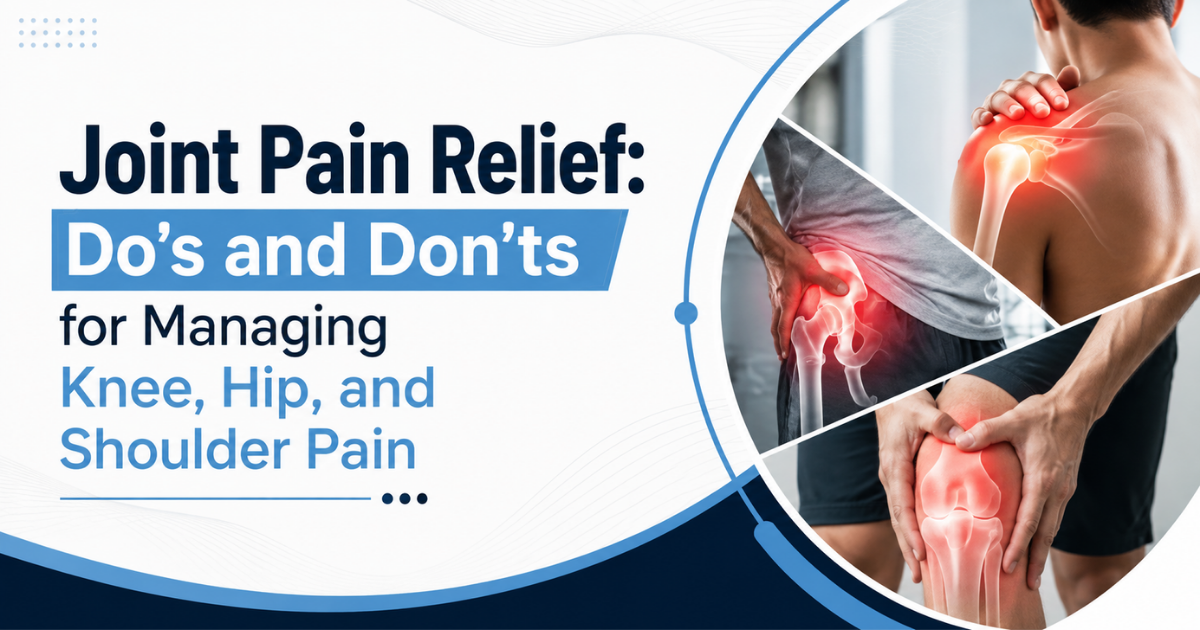
Joint Pain Relief: Do’s and Don’ts for Managing Knee, Hip, and Shoulder Pain

Joint pain has a way of sneaking into your daily routine.

At first, it’s mild. Just a little stiffness when getting out of bed. Then you start avoiding stairs. Then long walks. Then lifting things overhead.

Most people try to push through it.
Sometimes that works. Sometimes it makes things worse.

Here’s the truth — managing joint pain isn’t about doing more. It’s about doing the right things.

Let’s break it down simply.
Learn more about joint pain treatment options in Holly Springs.

DO: Keep Moving (Even When It’s Uncomfortable)

This surprises people.

When your knee or shoulder hurts, your first instinct is to stop using it. Short-term rest is fine. But complete rest for days or weeks? That usually backfires.

Joints need movement. Controlled movement.

Low-impact activities like:

  • Walking
  • Swimming
  • Light cycling
  • Gentle stretching

help maintain circulation and reduce stiffness. Movement really does help with joint pain relief.

DON’T: Ignore Swelling or Warmth

If your joint is swollen, warm, or red — that’s inflammation.

Pushing through inflamed joint pain can make things worse.

In those cases:

  • Ice can help calm inflammation
  • Elevation can reduce swelling
  • Temporary activity changes can help

The key is knowing the difference between soreness and inflammation. Persistent inflammation may require non-surgical pain management treatments.

DO: Strengthen the Muscles Around the Joint

Here’s something most people don’t realize.

The joint itself isn’t the only issue.

Weak muscles around the joint increase stress inside the joint. Strong muscles absorb impact.

  • For knee pain → focus on quads and hips
  • For shoulder pain → focus on the rotator cuff and upper back
  • For hip pain → glutes matter more than most people think

Strength creates stability. Stability reduces irritation. This approach is often used in treating knee pain, shoulder pain, and hip joint conditions.

DON’T: Depend Only on Pain Medication

Over-the-counter anti-inflammatories can help in the short term. But relying on them daily without addressing the cause won’t solve chronic joint pain.

If you’re taking medication just to get through the day, it may be time to explore other treatment options. Options like PRP therapy and regenerative medicine may help support healing.

DO: Maintain a Healthy Weight

Even small weight changes can reduce stress on weight-bearing joints.

For example, every extra pound adds more pressure across the knee when walking. This isn’t about perfection. It’s about reducing long-term strain.

DON’T: Wait Until It Becomes Severe

One of the biggest mistakes we see?

People wait too long. They assume it’s “just aging.” Or they think surgery is the only option. That’s rarely the case.

There are many non-surgical treatments for knee, hip, and shoulder pain — including physical therapy, image-guided injections, and regenerative options like PRP. Early evaluation usually means simpler treatment. A consultation with a pain management specialist in Holly Springs can help identify the root cause early.

When Should You See a Specialist for Joint Pain?

Consider getting evaluated if:

  • Pain lasts more than a few weeks
  • The joint feels unstable
  • You notice catching or locking
  • Pain interferes with sleep
  • You’re avoiding activities you used to enjoy

Joint pain relief is possible. But it starts with understanding what’s actually causing the problem.

Final Thoughts

Joint pain doesn’t just affect the joint. It affects how you move. How do you sleep? How active do you feel? Most cases improve with the right balance of movement, strengthening, and targeted treatment. You don’t have to live with it. And you don’t have to jump straight to surgery either.

If joint pain is interfering with your life, it may be time to explore personalized treatment options and get back to moving comfortably again.

Visit https://restorespineandpain.com/ to schedule a consultation.

FAQ

Q1: What is the fastest way to relieve joint pain?

Gentle movement, ice or heat therapy, and anti-inflammatory strategies can help. However, long-term relief depends on treating the root cause.

If pain lasts more than a few weeks, worsens, or affects your daily activities, it’s time to get evaluated.

Mild joint pain may improve with rest and movement. But persistent pain often requires targeted treatment.

Options include physical therapy, joint injections, nerve blocks, and regenerative medicine like PRP.

Yes. Low-impact movement like walking helps improve circulation, reduce stiffness, and support joint health.

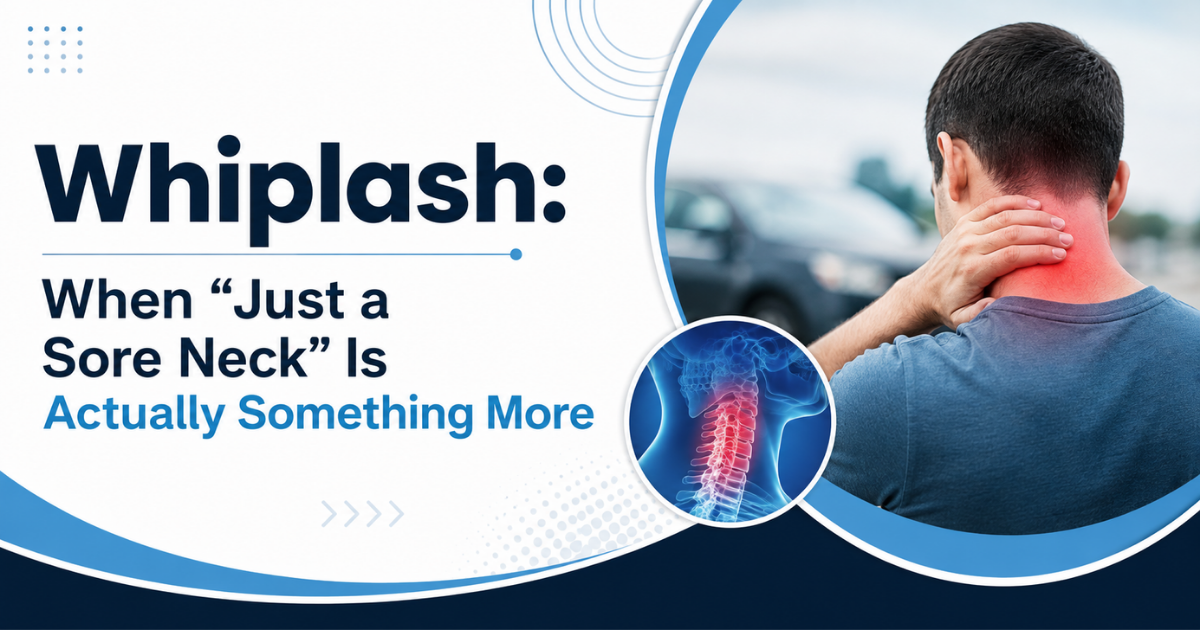
Whiplash: When “Just a Sore Neck” Is Actually Something More

Serving patients in Holly Springs, Raleigh, Apex, and Cary, NC

We’ve all heard it before: “It’s just a little whiplash. I’ll be fine in a few days.”

And sometimes, that’s true.

But here’s what we see every day — whiplash isn’t one single injury. It’s a spectrum. And the way your body responds to trauma can be delayed.

The version of you standing on the side of the road after a fender bender… It isn’t always the version of you that wakes up 48 hours later.

Learn more about how we treat neck pain after an accident at Restore Spine and Pain.

What’s Actually Happening in Your Neck?

Think of your neck like a bridge — stable, but not built for sudden force.

When you are hit from behind, your head snaps forward and backward quickly. That motion puts stress not just on muscles, but also on:

  • Ligaments
  • Facet joints
  • Discs
  • Nerves in the cervical spine

In some cases, this can lead to ongoing issues like chronic neck pain or cervical spine conditions if not addressed early.

The “Adrenaline Mask”: Why You Feel Fine at First

One of the biggest misconceptions about whiplash is this: “If it doesn’t hurt right away, it’s not serious.”

That’s not always true.

Right after an accident, your body releases adrenaline and cortisol. You are in survival mode. These chemicals are helpful — but they also mask pain.

Once things settle down — usually within 24 to 72 hours — inflammation starts to build, and symptoms begin to show up.

That’s when patients often notice stiffness, headaches, or reduced movement.

The Red Flags: When to Listen to Your Body

Some soreness is expected. But certain symptoms suggest something more than a simple strain.

Pay attention to:

Pain That Gets Worse Instead of Better

Most minor injuries gradually improve. If your neck feels tighter, more painful, or starts “locking up,” that’s a sign to get checked.

Tingling or “Electric” Sensations

Pins and needles, burning, or pain traveling down your arm may indicate nerve irritation.
This may be related to cervical radiculopathy or nerve-related pain.

Weakness in Your Hands or Arms

If gripping objects feels harder than usual, don’t ignore it. Weakness is an important warning sign.

Dizziness, Headaches, or Vision Changes

Blurry vision, brain fog, or headaches that feel different from your usual tension headaches should be evaluated.

Why “Waiting It Out” Isn’t Always the Best Plan

We understand — no one wants to spend time at a doctor’s office after a minor accident.

But with whiplash, timing matters.

Early evaluation can mean the difference between a short recovery…
and ongoing, chronic discomfort.

A simple rule of thumb:

If pain is affecting your sleep, your work, or your ability to turn your head safely, it’s time to get it checked.

Early care with a pain management specialist in Holly Springs can help prevent long-term issues.

Your Path Back to Normal

The good news? Most whiplash injuries are treatable — especially when addressed early.

Treatment options may include:

  • Physical therapy
  • Anti-inflammatory care
  • Image-guided injections
  • Targeted non-surgical treatments

Explore more about non-surgical pain management options available at Restore Spine and Pain. Surgery is rarely the first step.

Final Thoughts

You don’t have to “tough it out.” If something feels off after an accident — trust that instinct. It’s always better to rule out a serious issue early than to deal with chronic pain later.

Take the Next Step

If you are experiencing neck pain, stiffness, or unusual symptoms after an accident, Restore Spine and Pain offers personalized evaluation and treatment in Holly Springs, NC.

Visit https://restorespineandpain.com/ to schedule a consultation

You don’t have to guess what’s going on — and you don’t have to live with it.

FAQ

Q1: How long after an accident can whiplash symptoms start?

Symptoms often appear 24–72 hours after an accident due to delayed inflammation.

Radiating pain, numbness, weakness, dizziness, and worsening symptoms should be evaluated.

Yes. Some injuries take time to show symptoms, and early evaluation can prevent complications.

Chronic Pain Treatment in Holly Springs, NC | Restore Spine and Pain

Serving patients in Holly Springs, Raleigh, Apex, and Cary, North Carolina

Living with chronic pain is more than just “uncomfortable”—it’s exhausting.
It’s the way you toss and turn at night, the way you have to decline social invites, and the way a simple trip to the grocery store starts to feel like a marathon. Over time, pain doesn’t just sit in your back or your joints; it moves into your mood, your work, and your outlook on life.

At Restore Spine and Pain, we understand that pain isn’t just a physical sensation—it’s a barrier between you and the life you want to lead. Our goal isn’t to give you a temporary “band-aid” fix. We want to help you get your life back.

What Does Real Pain Management Look Like?

Many people think pain management is just about masking symptoms. We see it differently. For us, it’s about function. It’s about identifying exactly where the fire is starting so we can put it out for good.

We regularly partner with patients dealing with:

  • Persistent back and neck pain
  • The sharp, radiating pull of Sciatica
  • Aching joints and nerve-related discomfort

Whether you have been “toughing it out” for years or have tried every medication on the shelf, the first step is the same: listening. We don’t guess; we evaluate.

Learn more about our neck pain and back pain treatment options at Restore Spine and Pain.

Why You Hurt: Getting to the Root Cause

Pain rarely has a single source. It might stem from an old injury, or it might have built up quietly over years of wear and tear.

Common culprits often include:

  • Arthritis or inflammation in the joints.
  • Disc issues, like herniations or bulges.
  • Nerve compression that causes tingling or weakness.

Dr. Patel takes the time to sit down with you, review your history, and look at your imaging. We believe that the best treatment decisions are made through clarity, not guesswork.

A Personalized Partnership in Pain Management

You aren’t a diagnosis on a chart; you are an individual with specific goals. Maybe you want to get back on the golf course, or maybe you just want to be able to lift your grandkids without wincing.

Our approach is built on three questions:

  • What does your pain stop you from doing?
  • What have you already tried that didn’t work?
  • What does “success” look like to you?

“Pain management isn’t one-size-fits-all. Your treatment should reflect who you are, not just where it hurts.”

We believe in a “conservative-first” philosophy. Surgery is a significant step, and for most of our patients, it isn’t the first one.

Non-Surgical Pain Management Options

We utilize modern, image-guided treatments to target pain with precision:

  • Targeted Injections & Nerve Blocks: To calm inflammation at the source.
  • Radiofrequency Ablation: Long-term relief for chronic joint or spine pain.
  • Regenerative Medicine (PRP): Using your body’s own resources to help you heal.
  • Medication & Therapy Coordination: Balancing your care for the best results.

Explore more about non-surgical pain management and PRP treatments available in Holly Springs, NC.

Is It Time to See a Pain Management Doctor in Holly Springs?

If you’ve been telling yourself, “It’s not that bad” while your world gets smaller and smaller, it’s time for a change. You should consider a consultation if:

  • Pain has stuck around for more than a few weeks.
  • It’s affecting your sleep, your job, or your happiness.
  • You feel like you’ve run out of options.

You don’t have to just “live with it.”

Take the Next Step Toward Pain Relief

Better days start with a better plan. At Restore Spine and Pain, Dr. Ankur Patel is ready to help you write the next chapter—one that isn’t defined by pain.

Visit https://restorespineandpain.com/ to learn more or schedule an appointment.

You don’t have to just live with pain.

FAQ

Q1: When should I see a pain management specialist?

If your pain lasts more than a few weeks, keeps returning, or interferes with daily life, it’s a good time to seek evaluation.

The best treatment depends on the cause. Options may include physical therapy, medications, injections, or regenerative treatments like PRP.

Most patients do not. Many cases can be managed with non-surgical pain management techniques.

Common conditions include back pain, neck pain, sciatica, joint pain, nerve pain, and arthritis.

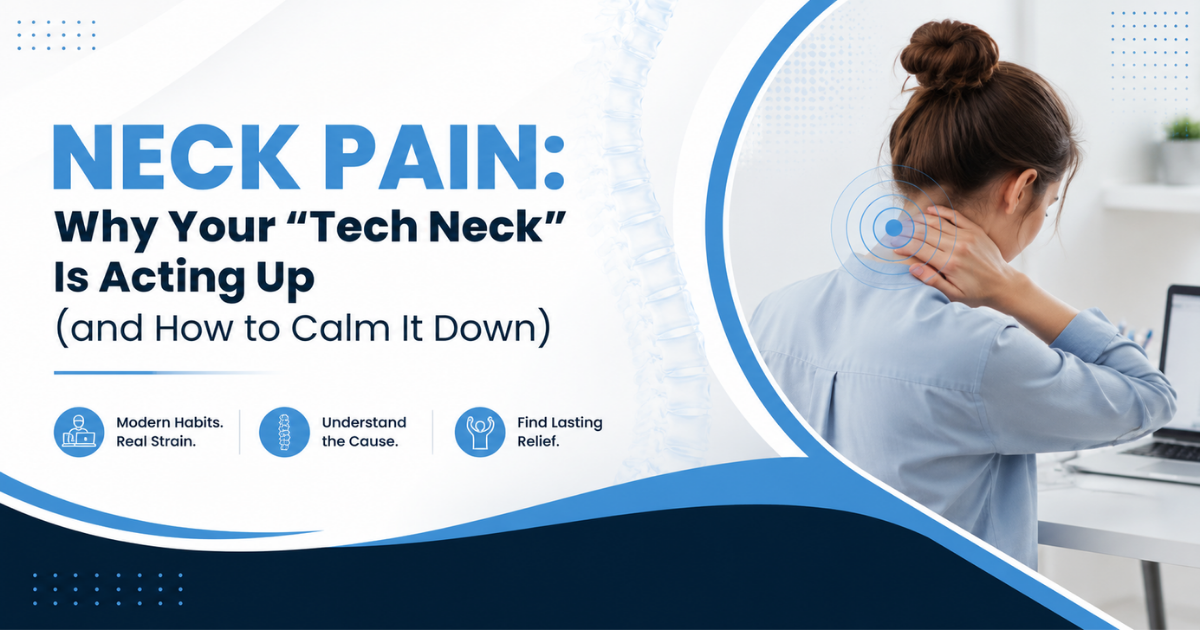
Neck Pain: Why Your “Tech Neck” Is Acting Up (and How to Calm It Down)

Serving patients in Holly Springs, Raleigh, Apex, and Cary, NC

Let’s face it — most of us are in a long-term relationship with our screens. The only problem? The distance is usually just a few inches from our faces.

Whether you’re working on a laptop all day or scrolling late at night, your neck ends up paying the price.

If your head starts to feel heavier than usual or your neck feels tight by the end of the day, you’re not alone. Neck pain has quietly become one of the most common issues we see today.

The good news? It’s manageable — once you understand what’s causing it.

Learn more about neck pain treatment options

Why Does Neck Pain Happen?

Most people blame “sleeping wrong.” Sometimes that’s true. But more often, neck pain builds slowly from daily habits.

Here are the most common causes:

The “Tech Neck” Lean

For every inch your head moves forward, it places more strain on your cervical spine. Over time, this adds up — especially with long hours at a desk or on your phone.

The Stress “Shrug”

Notice your shoulders creeping up during a stressful moment? That tension sits in your upper back and neck, and it doesn’t always go away on its own.

The Pillow Problem

If your pillow is too high or too flat, your neck stays in an awkward position for hours. That’s why many people wake up stiff.

Natural Wear and Tear

As we age, the discs in the spine lose some flexibility. That’s normal. But poor posture and repetitive strain can speed things up. In some cases, this can lead to chronic neck and spine conditions that require evaluation.

Simple Fixes for a Happier Neck

You don’t need a complete lifestyle overhaul. Small, consistent changes make a real difference.

Keep Screens at Eye Level

This helps keep your neck in a neutral position instead of constantly leaning forward.

Try the 30/30 Rule

Every 30 minutes, take 30 seconds to sit up straight, roll your shoulders, and reset your posture.

Stay Hydrated

Spinal discs rely on hydration to maintain cushioning and flexibility.

Heat vs. Ice

Use ice for sharp, new pain or inflammation. Use heat for ongoing stiffness and muscle tightness.

Three Desk-Friendly Stretches

You can do these without leaving your chair:

Chin Tucks (The “Double Chin” Reset)

Sit upright and gently pull your chin straight back. It may feel a little awkward, but it helps realign your head over your shoulders.

Ear-to-Shoulder Stretch

Slowly tilt your ear toward your shoulder. Hold for 20 seconds, then switch sides. You’ll feel the tension start to ease.

Shoulder Blade Squeeze

Pull your shoulder blades together and hold for 5 seconds. This activates the muscles that support better posture.

When Should You See a Doctor for Neck Pain?

Most neck pain improves with simple changes. But sometimes, your body is telling you something more.

You should consider evaluation if you notice:

  • Pain that travels down your arm
  • Numbness or tingling in your hands
  • Weakness in your grip
  • Pain that doesn’t improve after a week or two
  • Headaches starting at the base of the skull

These symptoms may suggest nerve involvement or a deeper issue.

These symptoms may indicate nerve involvement, such as cervical radiculopathy or nerve pain, which should be evaluated.

Final Thoughts

Your neck plays a critical role — it supports your head and connects your brain to the rest of your body.

Small daily habits can either strain it… or support it.

A few simple adjustments — better posture, regular movement, and mindful breaks — can go a long way toward reducing discomfort.

And if your neck pain keeps coming back or isn’t improving, it may be time to look deeper.

Take the Next Step

If you’re dealing with ongoing neck pain or “tech neck” symptoms, Restore Spine and Pain offers personalized, non-surgical treatment options in Holly Springs, NC.

Visit https://restorespineandpain.com/ to learn more or schedule a consultation

You don’t have to live with neck pain.

Q1: What is tech neck?

Tech neck refers to neck pain caused by prolonged screen use, especially when the head is tilted forward.

Improving posture, taking breaks, and doing simple stretches can help reduce symptoms.

If pain lasts more than a couple of weeks or includes numbness, weakness, or radiating pain, it’s best to get evaluated.

Moving Beyond the Ache: Your 2026 Guide to Reclaiming Your Range

Serving patients in Holly Springs, Raleigh, Apex, and Cary, NC

We have all been there — that knee that starts aching when the weather changes, the stiff neck after a long Zoom call, or that hip that suddenly started clicking.

For years, we were told joint pain was just part of getting older. In 2026, we know better.

Your joints aren’t just “wearing out” like old parts. They’re living tissue. They respond to how you move, what you eat, and how you take care of your body.

The goal isn’t just to manage pain.
It’s to understand it — and work with your body, not against it.

Learn more about joint pain treatment options in Holly Springs at Restore Spine and Pain.

Understanding What’s Really Causing Joint Pain

Think of your joints like high-use hinges. When everything is balanced, they move smoothly. When something shifts, pain shows up.

Most joint pain comes down to a few key factors:

Inflammation (“The Fire”)

Inflammation is your body’s natural response to stress or injury. It can be caused by arthritis, overuse, or underlying conditions.

It often shows up as:

  • Swelling
  • Stiffness
  • Warmth around the joint

In some cases, this may be related to arthritis or chronic joint conditions.

Old Injuries (“The History”)

Your body doesn’t forget.

That old ankle sprain or knee injury may seem healed, but it can change how you move. Over time, that compensation puts extra stress on other joints.

Lifestyle Habits (“The Modern Slump”)

Long hours sitting. Screen time. Limited movement.

When muscles around a joint weaken, the joint takes on more load than it should.

This is commonly seen in patients with neck pain, back pain, and posture-related issues.

Your 2026 Toolkit for Better Joint Health

You don’t need a major overhaul. Small, consistent changes make a real difference.

1. Movement Matters (More Than You Think)

It sounds counterintuitive — but movement helps joint pain.

Movement circulates synovial fluid, which helps lubricate joints and reduce stiffness.

The key is controlled, low-impact movement:

  • Walking
  • Swimming
  • Light stretching

You don’t need to push through pain. You just need to keep the joint active.

2. Support Your Body Through Nutrition

Inflammation isn’t just local — it can be influenced by what you eat and how well you hydrate.

Staying hydrated helps maintain joint cushioning.
Balanced nutrition supports tissue repair.

You don’t need extremes — just consistency.

3. Smarter Recovery Tools

We’ve moved beyond basic home remedies.

Some patients benefit from:

  • Heat therapy for stiffness
  • Compression supports for stability
  • Recovery tools that improve circulation

These don’t replace medical care — but they can support it.

For ongoing symptoms, advanced options like non-surgical pain management treatments may be considered.

When to Stop “Managing” and Start Evaluating

Not all joint pain should be handled at home.

Pay attention to these signs:

Pain on Both Sides

If both joints (like both knees or wrists) hurt similarly, it may suggest a systemic issue.

Pain That Wakes You Up

Pain that interrupts sleep is worth evaluating.

Joint Locking or Catching

If a joint feels stuck or unstable, it may indicate a structural problem.

Swelling, Heat, or Redness

Visible inflammation should not be ignored.

In these cases, a consultation with a pain management specialist in Holly Springs can help identify the cause.

Final Thoughts

Your body is more adaptable than most people think.

Joint pain isn’t always about damage. Often, it’s about imbalance.

With the right approach — movement, support, and targeted care — many people improve significantly without surgery.

You don’t have to just “live with it.”

Take the Next Step

If joint pain is limiting your movement or affecting your daily life, Restore Spine and Pain offers personalized, non-surgical treatment options in Holly Springs, NC.

Visit https://restorespineandpain.com/ to schedule a consultation

Better movement starts with the right plan.

FAQ

Q1: What is the most common cause of joint pain?

Joint pain is often caused by inflammation, arthritis, previous injuries, or muscle imbalances.

Yes. Many cases respond well to non-surgical treatments like therapy, injections, and lifestyle changes.

If pain persists, worsens, or affects sleep or movement, it’s time to get evaluated.

Concussion Following a Car Accident: Symptoms, Diagnosis, and Treatment in Raleigh, NC

Office Locations: Holly Springs | Fuquay-Varina | Apex | Cary | Raleigh, North Carolina

Concussion Following a Motor Vehicle Accident

Concussion is a type of mild traumatic brain injury (mTBI) that frequently follows a motor vehicle accident, even in the absence of a direct head injury. The acceleration and deceleration forces generated by a car accident can cause the brain to shift and impact against the interior of the skull, resulting in a concussion and subsequent symptoms that may not manifest until days after the accident.

At Restore Spine and Pain, we commonly see patients in Raleigh, Holly Springs, Cary, Apex, Fuquay-Varina, Chapel Hill, Durham, and the surrounding Triangle area who have developed concussion symptoms following a car accident.


What Is a Concussion?

Concussion: A mild traumatic brain injury that temporarily affects the function of the brain. A concussion may occur from direct trauma to the head or from rapid movement of the head and neck during a collision.

Important Points:

  • Loss of consciousness is not required
  • Standard CT or MRI scans are often normal
  • Symptoms may be subtle and develop over time

Because concussions do not always appear on imaging studies, diagnosis is often made by clinical evaluation and symptom assessment.

Why Concussions Occur After Car Accidents

During a motor vehicle accident, the head and neck may rapidly move in various directions. This motion can produce stretching and shearing forces in the brain, resulting in chemical and metabolic alterations that 

Symptoms may be delayed and affect how brain cells function.


Typical Concussion Symptoms Following a Car Crash

Concussion symptoms following a car accident can impact several systems and may include:

  • Headaches or pressure in the head
  • Dizziness, vertigo, or problems with balance
  • Nausea or sensitivity to light and sound
  • Confusion, slowed thinking, or problems concentrating
  • Memory issues
  • Fatigue or sleep problems
  • Neck pain or stiffness
  • Visual problems
  • Mood changes or irritability

These symptoms can vary and may exacerbate with physical activity, screen time, driving, or mental tasks.


How Concussions Are Diagnosed After a Motor Vehicle Accident

Concussions can be diagnosed through a comprehensive evaluation and include:

  • Accident mechanism review
  • Thorough symptom review
  • Neurological exam
  • Cognitive and balance function testing
  • Cervical spine exam

Imaging studies such as CT or MRI scans may be reviewed as necessary, especially when ruling out more severe injury or when symptoms persist.

A proper diagnosis is crucial, as concussion symptoms often mimic neck injury, vestibular dysfunction, and post-traumatic headaches.


Concussion Treatment and Recovery

Concussion treatment involves active, guided recovery—not just rest. After the initial period of rest, treatment gradually returns physical and cognitive function while carefully monitoring symptoms.

Treatment may involve symptom management, vestibular and balance therapy, cervical spine treatment, cognitive and visual therapy, and a step-by-step return to normal activities. Treatment plans are tailored to the individual and modified as the patient progresses in recovery.


Why Prompt Concussion Evaluation is Important


Putting off concussion evaluation after a car accident can raise the risk of:

  • Chronic post-concussion symptoms
  • Chronic headaches and dizziness
  • Trouble returning to work and normal activities
  • Overlapping neck and vestibular problems left untreated

Prompt evaluation enables accurate diagnosis, effective treatment, and optimal recovery outcomes.


Comprehensive Concussion Treatment at Restore Spine and Pain

At Restore Spine and Pain, we offer comprehensive concussion treatment following motor vehicle accidents, emphasizing accurate diagnosis, individualized treatment, and safe return to normal activities.

We regularly treat patients with:

Concussion following a car accident

Mild traumatic brain injury (mTBI)

Post-accident headaches and dizziness


Concussion with neck injury

If you are suffering from concussion symptoms following a motor vehicle accident, please contact Restore Spine and Pain today to schedule an appointment and initiate a personalized treatment program.

Neck Pain Following a Motor Vehicle Accident: What to Do and How We Can Help

Neck pain following a motor vehicle accident is one of the most common and frequently overlooked injuries that occur as a consequence of a collision. Even if the damage to the vehicles seems minimal, the acceleration forces that pass through the neck can result in soft tissue injury, joint irritation, disc injury, or nerve damage.

At Restore Spine and Pain, we treat patients in Raleigh, Holly Springs, Cary, Apex, Fuquay-Varina, and the surrounding Triangle area who experience neck pain following car accidents, whether immediate or delayed.

Why Neck Pain Following a Car Accident is Frequently Delayed

Injuries such as fractures or lacerations are often immediately apparent following a collision. However, neck pain following a car accident is frequently delayed, as inflammation, muscle spasm, and joint irritation may not reach their peak for 24 to 72 hours following the injury.

This is particularly true in cases of:

  • Rear-end collisions
  • Sudden deceleration injuries
  • Side-impact crashes


Why Neck Pain After a Car Accident is Frequently Delayed

Unlike other injuries, such as fractures, neck pain after a car accident often takes time to develop. This is because inflammation, muscle spasm, and joint irritation may not reach their peak for 24 to 72 hours after the accident.

This is particularly true in the following types of accidents:

  • Rear-end accidents
  • Sudden deceleration injuries
  • Side impact accidents

The sudden forward and backward movement of the head and neck causes strain to the cervical muscles, ligaments, joints, discs, and nerves. This is often related to whiplash injuries, but neck pain after an accident can involve more than one structure and should not be considered simply a case of “muscle strain.”


Common Signs of a Motor Vehicle–Related Neck Injury

Patients with neck pain after a motor vehicle accident may experience:

  • Neck stiffness or persistent aching
  • Pain that worsens with turning or prolonged sitting
  • Shoulder or upper back pain
  • Headaches following the collision
  • Muscle tightness or spasms
  • Tingling, numbness, or heaviness in the arms
  • Difficulty maintaining posture or activity tolerance

These symptoms can interfere with work, driving, sleep, and daily activities — especially if not properly addressed early.

How We Evaluate Neck Pain After an Accident

At Restore Spine and Pain, we take a focused, step-by-step approach to post-accident neck pain. We review how the accident happened, assess your symptoms and limitations, perform a musculoskeletal and neurological exam, and review imaging when needed.
Our goal is to identify the source of your pain and guide the right treatment for recovery.


Treatment Options for Post-Accident Neck Pain

Your treatment plan is tailored to your injury and recovery goals. It may include targeted physical therapy to restore movement and strength, activity and ergonomic guidance to prevent reinjury, and image-guided treatments to address inflammation or nerve irritation.

In some cases, cervical facet or epidural steroid injections may be used to reduce pain and support rehabilitation.

Accident-Focused Neck Pain Care at Restore Spine and Pain

We specialize in caring for patients with:

  • Neck pain after motor vehicle accidents
  • Whiplash-associated injuries
  • Post-collision joint and nerve pain
  • Accident-related spine and musculoskeletal injuries

Our approach emphasizes accurate diagnosis, individualized treatment, and restoring function so patients can return to daily life with confidence.

If you are experiencing neck pain after a car accident, contact Restore Spine and Pain to schedule an evaluation and begin a personalized recovery plan.

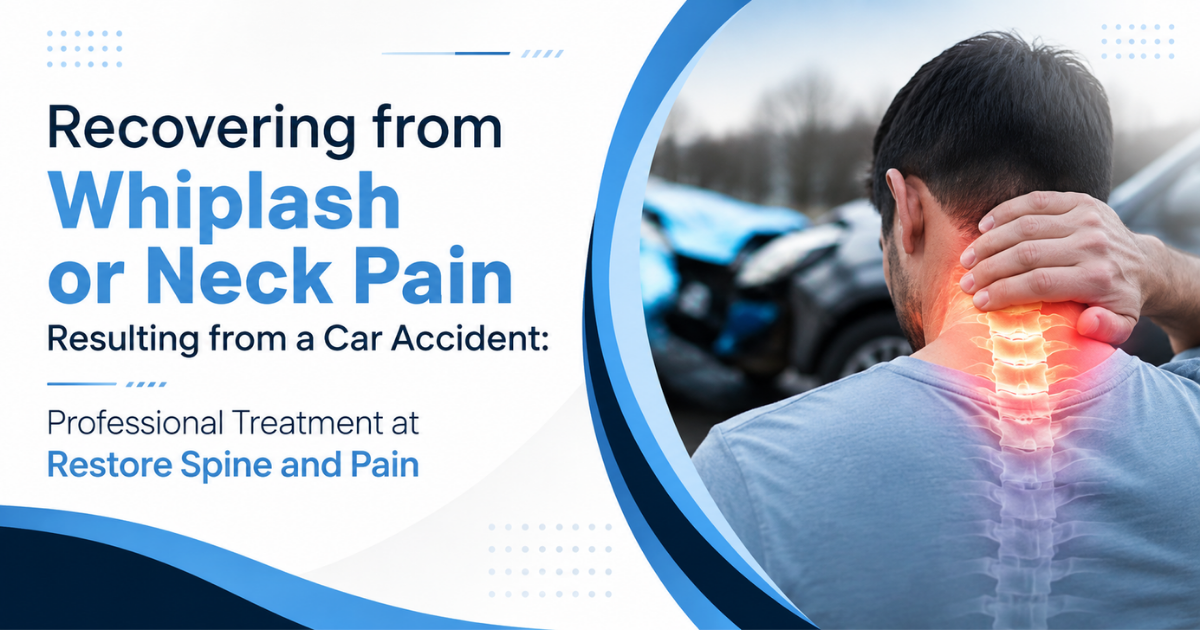
Recovering from Whiplash or Neck Pain Resulting from a Car Accident: Professional Treatment at Restore Spine and Pain

Address: Holly Springs | Fuquay-Varina | Apex | Cary | Raleigh, North Carolina

A car accident can result in more than just bruising; it can also cause strain to the muscles, ligaments, discs, and joints of the neck, which can lead to diseases linked to whiplash. 

What is Whiplash Injury?

Whiplash, which can happen after rear-end crashes or abrupt stops, is a quick jerking or snapping movement of the head that resembles the cracking of a whip.


The patient may experience:

  • Neck pain and stiffness, which starts shortly after the accident
  • Headaches that start at the base of the head
  • Pain in Shoulder or upper back area
  • Not able to turn the head fully

Concussion symptoms 

These symptoms may not start until hours or even days after the accident, which is why proper evaluation is so important.


Comprehensive Care for Your Neck Pain

At Restore Spine and Pain, we follow a systematic and evidence-supported approach to whiplash injuries, including:


  • Careful physical examination and imaging analysis
  • Physical therapy to regain strength and range of motion
  • Conservative injections under image guidance when inflammation is a prominent factor
  • Team care for complex cases


Every treatment program is designed to meet your specific needs and goals. 


Return to Pain-Free Living


You don’t have to live with neck pain after an injury. Prompt and expert care can help alleviate chronic pain and restore your freedom of movement. Contact Restore Spine and Pain today to schedule a consultation.