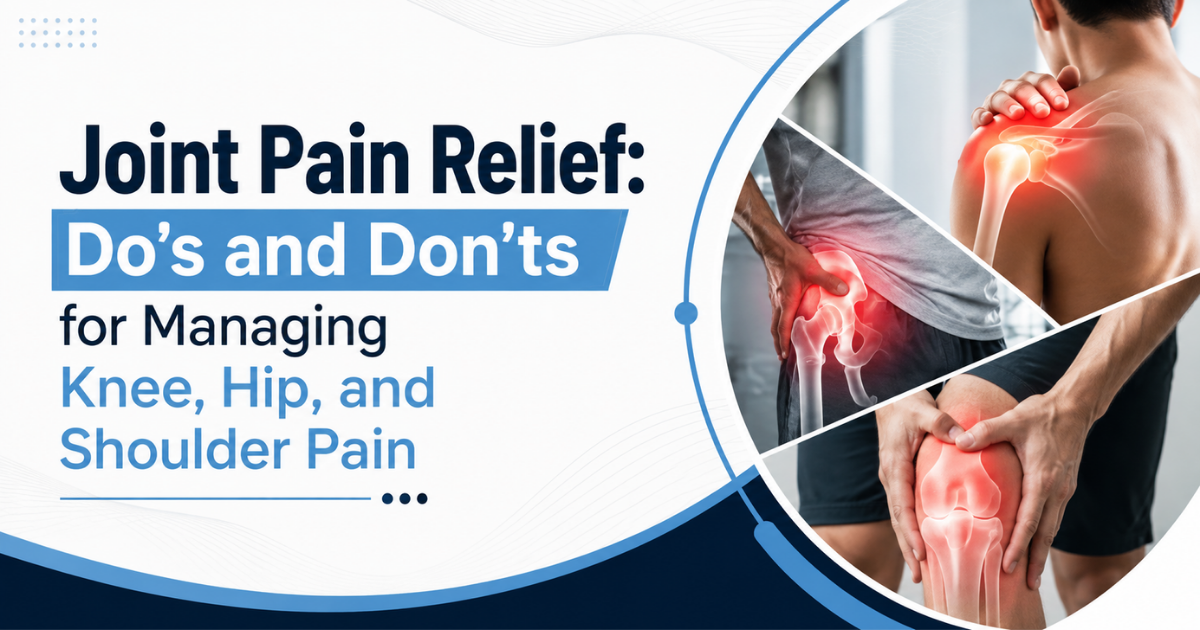
Joint Pain Relief: Do’s and Don’ts for Managing Knee, Hip, and Shoulder Pain

Joint pain has a way of sneaking into your daily routine.

At first, it’s mild. Just a little stiffness when getting out of bed. Then you start avoiding stairs. Then long walks. Then lifting things overhead.

Most people try to push through it.
Sometimes that works. Sometimes it makes things worse.

Here’s the truth — managing joint pain isn’t about doing more. It’s about doing the right things.

Let’s break it down simply.
Learn more about joint pain treatment options in Holly Springs.

DO: Keep Moving (Even When It’s Uncomfortable)

This surprises people.

When your knee or shoulder hurts, your first instinct is to stop using it. Short-term rest is fine. But complete rest for days or weeks? That usually backfires.

Joints need movement. Controlled movement.

Low-impact activities like:

  • Walking
  • Swimming
  • Light cycling
  • Gentle stretching

help maintain circulation and reduce stiffness. Movement really does help with joint pain relief.

DON’T: Ignore Swelling or Warmth

If your joint is swollen, warm, or red — that’s inflammation.

Pushing through inflamed joint pain can make things worse.

In those cases:

  • Ice can help calm inflammation
  • Elevation can reduce swelling
  • Temporary activity changes can help

The key is knowing the difference between soreness and inflammation. Persistent inflammation may require non-surgical pain management treatments.

DO: Strengthen the Muscles Around the Joint

Here’s something most people don’t realize.

The joint itself isn’t the only issue.

Weak muscles around the joint increase stress inside the joint. Strong muscles absorb impact.

  • For knee pain → focus on quads and hips
  • For shoulder pain → focus on the rotator cuff and upper back
  • For hip pain → glutes matter more than most people think

Strength creates stability. Stability reduces irritation. This approach is often used in treating knee pain, shoulder pain, and hip joint conditions.

DON’T: Depend Only on Pain Medication

Over-the-counter anti-inflammatories can help in the short term. But relying on them daily without addressing the cause won’t solve chronic joint pain.

If you’re taking medication just to get through the day, it may be time to explore other treatment options. Options like PRP therapy and regenerative medicine may help support healing.

DO: Maintain a Healthy Weight

Even small weight changes can reduce stress on weight-bearing joints.

For example, every extra pound adds more pressure across the knee when walking. This isn’t about perfection. It’s about reducing long-term strain.

DON’T: Wait Until It Becomes Severe

One of the biggest mistakes we see?

People wait too long. They assume it’s “just aging.” Or they think surgery is the only option. That’s rarely the case.

There are many non-surgical treatments for knee, hip, and shoulder pain — including physical therapy, image-guided injections, and regenerative options like PRP. Early evaluation usually means simpler treatment. A consultation with a pain management specialist in Holly Springs can help identify the root cause early.

When Should You See a Specialist for Joint Pain?

Consider getting evaluated if:

  • Pain lasts more than a few weeks
  • The joint feels unstable
  • You notice catching or locking
  • Pain interferes with sleep
  • You’re avoiding activities you used to enjoy

Joint pain relief is possible. But it starts with understanding what’s actually causing the problem.

Final Thoughts

Joint pain doesn’t just affect the joint. It affects how you move. How do you sleep? How active do you feel? Most cases improve with the right balance of movement, strengthening, and targeted treatment. You don’t have to live with it. And you don’t have to jump straight to surgery either.

If joint pain is interfering with your life, it may be time to explore personalized treatment options and get back to moving comfortably again.

Visit https://restorespineandpain.com/ to schedule a consultation.

FAQ

Q1: What is the fastest way to relieve joint pain?

Gentle movement, ice or heat therapy, and anti-inflammatory strategies can help. However, long-term relief depends on treating the root cause.

If pain lasts more than a few weeks, worsens, or affects your daily activities, it’s time to get evaluated.

Mild joint pain may improve with rest and movement. But persistent pain often requires targeted treatment.

Options include physical therapy, joint injections, nerve blocks, and regenerative medicine like PRP.

Yes. Low-impact movement like walking helps improve circulation, reduce stiffness, and support joint health.
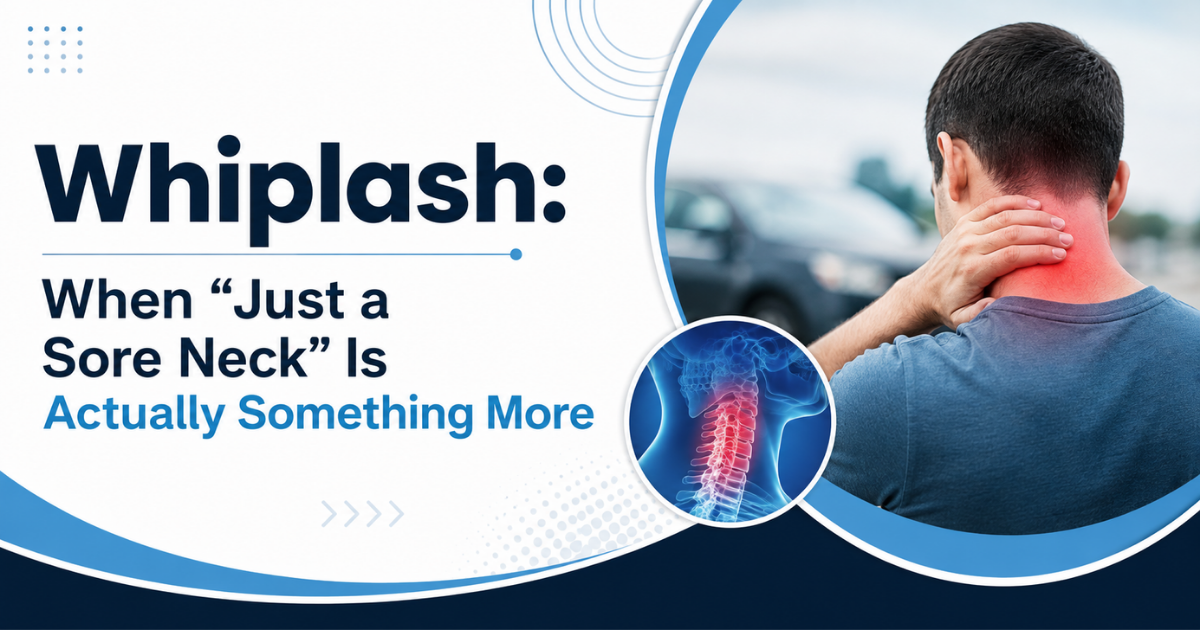
Whiplash: When “Just a Sore Neck” Is Actually Something More

Serving patients in Holly Springs, Raleigh, Apex, and Cary, NC

We’ve all heard it before: “It’s just a little whiplash. I’ll be fine in a few days.”

And sometimes, that’s true.

But here’s what we see every day — whiplash isn’t one single injury. It’s a spectrum. And the way your body responds to trauma can be delayed.

The version of you standing on the side of the road after a fender bender… It isn’t always the version of you that wakes up 48 hours later.

Learn more about how we treat neck pain after an accident at Restore Spine and Pain.

What’s Actually Happening in Your Neck?

Think of your neck like a bridge — stable, but not built for sudden force.

When you are hit from behind, your head snaps forward and backward quickly. That motion puts stress not just on muscles, but also on:

  • Ligaments
  • Facet joints
  • Discs
  • Nerves in the cervical spine

In some cases, this can lead to ongoing issues like chronic neck pain or cervical spine conditions if not addressed early.

The “Adrenaline Mask”: Why You Feel Fine at First

One of the biggest misconceptions about whiplash is this: “If it doesn’t hurt right away, it’s not serious.”

That’s not always true.

Right after an accident, your body releases adrenaline and cortisol. You are in survival mode. These chemicals are helpful — but they also mask pain.

Once things settle down — usually within 24 to 72 hours — inflammation starts to build, and symptoms begin to show up.

That’s when patients often notice stiffness, headaches, or reduced movement.

The Red Flags: When to Listen to Your Body

Some soreness is expected. But certain symptoms suggest something more than a simple strain.

Pay attention to:

Pain That Gets Worse Instead of Better

Most minor injuries gradually improve. If your neck feels tighter, more painful, or starts “locking up,” that’s a sign to get checked.

Tingling or “Electric” Sensations

Pins and needles, burning, or pain traveling down your arm may indicate nerve irritation.
This may be related to cervical radiculopathy or nerve-related pain.

Weakness in Your Hands or Arms

If gripping objects feels harder than usual, don’t ignore it. Weakness is an important warning sign.

Dizziness, Headaches, or Vision Changes

Blurry vision, brain fog, or headaches that feel different from your usual tension headaches should be evaluated.

Why “Waiting It Out” Isn’t Always the Best Plan

We understand — no one wants to spend time at a doctor’s office after a minor accident.

But with whiplash, timing matters.

Early evaluation can mean the difference between a short recovery…
and ongoing, chronic discomfort.

A simple rule of thumb:

If pain is affecting your sleep, your work, or your ability to turn your head safely, it’s time to get it checked.

Early care with a pain management specialist in Holly Springs can help prevent long-term issues.

Your Path Back to Normal

The good news? Most whiplash injuries are treatable — especially when addressed early.

Treatment options may include:

  • Physical therapy
  • Anti-inflammatory care
  • Image-guided injections
  • Targeted non-surgical treatments

Explore more about non-surgical pain management options available at Restore Spine and Pain. Surgery is rarely the first step.

Final Thoughts

You don’t have to “tough it out.” If something feels off after an accident — trust that instinct. It’s always better to rule out a serious issue early than to deal with chronic pain later.

Take the Next Step

If you are experiencing neck pain, stiffness, or unusual symptoms after an accident, Restore Spine and Pain offers personalized evaluation and treatment in Holly Springs, NC.

Visit https://restorespineandpain.com/ to schedule a consultation

You don’t have to guess what’s going on — and you don’t have to live with it.

FAQ

Q1: How long after an accident can whiplash symptoms start?

Symptoms often appear 24–72 hours after an accident due to delayed inflammation.

Radiating pain, numbness, weakness, dizziness, and worsening symptoms should be evaluated.

Yes. Some injuries take time to show symptoms, and early evaluation can prevent complications.

Chronic Pain Treatment in Holly Springs, NC | Restore Spine and Pain

Serving patients in Holly Springs, Raleigh, Apex, and Cary, North Carolina

Living with chronic pain is more than just “uncomfortable”—it’s exhausting.
It’s the way you toss and turn at night, the way you have to decline social invites, and the way a simple trip to the grocery store starts to feel like a marathon. Over time, pain doesn’t just sit in your back or your joints; it moves into your mood, your work, and your outlook on life.

At Restore Spine and Pain, we understand that pain isn’t just a physical sensation—it’s a barrier between you and the life you want to lead. Our goal isn’t to give you a temporary “band-aid” fix. We want to help you get your life back.

What Does Real Pain Management Look Like?

Many people think pain management is just about masking symptoms. We see it differently. For us, it’s about function. It’s about identifying exactly where the fire is starting so we can put it out for good.

We regularly partner with patients dealing with:

  • Persistent back and neck pain
  • The sharp, radiating pull of Sciatica
  • Aching joints and nerve-related discomfort

Whether you have been “toughing it out” for years or have tried every medication on the shelf, the first step is the same: listening. We don’t guess; we evaluate.

Learn more about our neck pain and back pain treatment options at Restore Spine and Pain.

Why You Hurt: Getting to the Root Cause

Pain rarely has a single source. It might stem from an old injury, or it might have built up quietly over years of wear and tear.

Common culprits often include:

  • Arthritis or inflammation in the joints.
  • Disc issues, like herniations or bulges.
  • Nerve compression that causes tingling or weakness.

Dr. Patel takes the time to sit down with you, review your history, and look at your imaging. We believe that the best treatment decisions are made through clarity, not guesswork.

A Personalized Partnership in Pain Management

You aren’t a diagnosis on a chart; you are an individual with specific goals. Maybe you want to get back on the golf course, or maybe you just want to be able to lift your grandkids without wincing.

Our approach is built on three questions:

  • What does your pain stop you from doing?
  • What have you already tried that didn’t work?
  • What does “success” look like to you?

“Pain management isn’t one-size-fits-all. Your treatment should reflect who you are, not just where it hurts.”

We believe in a “conservative-first” philosophy. Surgery is a significant step, and for most of our patients, it isn’t the first one.

Non-Surgical Pain Management Options

We utilize modern, image-guided treatments to target pain with precision:

  • Targeted Injections & Nerve Blocks: To calm inflammation at the source.
  • Radiofrequency Ablation: Long-term relief for chronic joint or spine pain.
  • Regenerative Medicine (PRP): Using your body’s own resources to help you heal.
  • Medication & Therapy Coordination: Balancing your care for the best results.

Explore more about non-surgical pain management and PRP treatments available in Holly Springs, NC.

Is It Time to See a Pain Management Doctor in Holly Springs?

If you’ve been telling yourself, “It’s not that bad” while your world gets smaller and smaller, it’s time for a change. You should consider a consultation if:

  • Pain has stuck around for more than a few weeks.
  • It’s affecting your sleep, your job, or your happiness.
  • You feel like you’ve run out of options.

You don’t have to just “live with it.”

Take the Next Step Toward Pain Relief

Better days start with a better plan. At Restore Spine and Pain, Dr. Ankur Patel is ready to help you write the next chapter—one that isn’t defined by pain.

Visit https://restorespineandpain.com/ to learn more or schedule an appointment.

You don’t have to just live with pain.

FAQ

Q1: When should I see a pain management specialist?

If your pain lasts more than a few weeks, keeps returning, or interferes with daily life, it’s a good time to seek evaluation.

The best treatment depends on the cause. Options may include physical therapy, medications, injections, or regenerative treatments like PRP.

Most patients do not. Many cases can be managed with non-surgical pain management techniques.

Common conditions include back pain, neck pain, sciatica, joint pain, nerve pain, and arthritis.

Neck Pain: Why Your “Tech Neck” Is Acting Up (and How to Calm It Down)

Serving patients in Holly Springs, Raleigh, Apex, and Cary, NC

Let’s face it — most of us are in a long-term relationship with our screens. The only problem? The distance is usually just a few inches from our faces.

Whether you’re working on a laptop all day or scrolling late at night, your neck ends up paying the price.

If your head starts to feel heavier than usual or your neck feels tight by the end of the day, you’re not alone. Neck pain has quietly become one of the most common issues we see today.

The good news? It’s manageable — once you understand what’s causing it.

Learn more about neck pain treatment options

Why Does Neck Pain Happen?

Most people blame “sleeping wrong.” Sometimes that’s true. But more often, neck pain builds slowly from daily habits.

Here are the most common causes:

The “Tech Neck” Lean

For every inch your head moves forward, it places more strain on your cervical spine. Over time, this adds up — especially with long hours at a desk or on your phone.

The Stress “Shrug”

Notice your shoulders creeping up during a stressful moment? That tension sits in your upper back and neck, and it doesn’t always go away on its own.

The Pillow Problem

If your pillow is too high or too flat, your neck stays in an awkward position for hours. That’s why many people wake up stiff.

Natural Wear and Tear

As we age, the discs in the spine lose some flexibility. That’s normal. But poor posture and repetitive strain can speed things up. In some cases, this can lead to chronic neck and spine conditions that require evaluation.

Simple Fixes for a Happier Neck

You don’t need a complete lifestyle overhaul. Small, consistent changes make a real difference.

Keep Screens at Eye Level

This helps keep your neck in a neutral position instead of constantly leaning forward.

Try the 30/30 Rule

Every 30 minutes, take 30 seconds to sit up straight, roll your shoulders, and reset your posture.

Stay Hydrated

Spinal discs rely on hydration to maintain cushioning and flexibility.

Heat vs. Ice

Use ice for sharp, new pain or inflammation. Use heat for ongoing stiffness and muscle tightness.

Three Desk-Friendly Stretches

You can do these without leaving your chair:

Chin Tucks (The “Double Chin” Reset)

Sit upright and gently pull your chin straight back. It may feel a little awkward, but it helps realign your head over your shoulders.

Ear-to-Shoulder Stretch

Slowly tilt your ear toward your shoulder. Hold for 20 seconds, then switch sides. You’ll feel the tension start to ease.

Shoulder Blade Squeeze

Pull your shoulder blades together and hold for 5 seconds. This activates the muscles that support better posture.

When Should You See a Doctor for Neck Pain?

Most neck pain improves with simple changes. But sometimes, your body is telling you something more.

You should consider evaluation if you notice:

  • Pain that travels down your arm
  • Numbness or tingling in your hands
  • Weakness in your grip
  • Pain that doesn’t improve after a week or two
  • Headaches starting at the base of the skull

These symptoms may suggest nerve involvement or a deeper issue.

These symptoms may indicate nerve involvement, such as cervical radiculopathy or nerve pain, which should be evaluated.

Final Thoughts

Your neck plays a critical role — it supports your head and connects your brain to the rest of your body.

Small daily habits can either strain it… or support it.

A few simple adjustments — better posture, regular movement, and mindful breaks — can go a long way toward reducing discomfort.

And if your neck pain keeps coming back or isn’t improving, it may be time to look deeper.

Take the Next Step

If you’re dealing with ongoing neck pain or “tech neck” symptoms, Restore Spine and Pain offers personalized, non-surgical treatment options in Holly Springs, NC.

Visit https://restorespineandpain.com/ to learn more or schedule a consultation

You don’t have to live with neck pain.

Q1: What is tech neck?

Tech neck refers to neck pain caused by prolonged screen use, especially when the head is tilted forward.

Improving posture, taking breaks, and doing simple stretches can help reduce symptoms.

If pain lasts more than a couple of weeks or includes numbness, weakness, or radiating pain, it’s best to get evaluated.

Moving Beyond the Ache: Your 2026 Guide to Reclaiming Your Range

Serving patients in Holly Springs, Raleigh, Apex, and Cary, NC

We have all been there — that knee that starts aching when the weather changes, the stiff neck after a long Zoom call, or that hip that suddenly started clicking.

For years, we were told joint pain was just part of getting older. In 2026, we know better.

Your joints aren’t just “wearing out” like old parts. They’re living tissue. They respond to how you move, what you eat, and how you take care of your body.

The goal isn’t just to manage pain.
It’s to understand it — and work with your body, not against it.

Learn more about joint pain treatment options in Holly Springs at Restore Spine and Pain.

Understanding What’s Really Causing Joint Pain

Think of your joints like high-use hinges. When everything is balanced, they move smoothly. When something shifts, pain shows up.

Most joint pain comes down to a few key factors:

Inflammation (“The Fire”)

Inflammation is your body’s natural response to stress or injury. It can be caused by arthritis, overuse, or underlying conditions.

It often shows up as:

  • Swelling
  • Stiffness
  • Warmth around the joint

In some cases, this may be related to arthritis or chronic joint conditions.

Old Injuries (“The History”)

Your body doesn’t forget.

That old ankle sprain or knee injury may seem healed, but it can change how you move. Over time, that compensation puts extra stress on other joints.

Lifestyle Habits (“The Modern Slump”)

Long hours sitting. Screen time. Limited movement.

When muscles around a joint weaken, the joint takes on more load than it should.

This is commonly seen in patients with neck pain, back pain, and posture-related issues.

Your 2026 Toolkit for Better Joint Health

You don’t need a major overhaul. Small, consistent changes make a real difference.

1. Movement Matters (More Than You Think)

It sounds counterintuitive — but movement helps joint pain.

Movement circulates synovial fluid, which helps lubricate joints and reduce stiffness.

The key is controlled, low-impact movement:

  • Walking
  • Swimming
  • Light stretching

You don’t need to push through pain. You just need to keep the joint active.

2. Support Your Body Through Nutrition

Inflammation isn’t just local — it can be influenced by what you eat and how well you hydrate.

Staying hydrated helps maintain joint cushioning.
Balanced nutrition supports tissue repair.

You don’t need extremes — just consistency.

3. Smarter Recovery Tools

We’ve moved beyond basic home remedies.

Some patients benefit from:

  • Heat therapy for stiffness
  • Compression supports for stability
  • Recovery tools that improve circulation

These don’t replace medical care — but they can support it.

For ongoing symptoms, advanced options like non-surgical pain management treatments may be considered.

When to Stop “Managing” and Start Evaluating

Not all joint pain should be handled at home.

Pay attention to these signs:

Pain on Both Sides

If both joints (like both knees or wrists) hurt similarly, it may suggest a systemic issue.

Pain That Wakes You Up

Pain that interrupts sleep is worth evaluating.

Joint Locking or Catching

If a joint feels stuck or unstable, it may indicate a structural problem.

Swelling, Heat, or Redness

Visible inflammation should not be ignored.

In these cases, a consultation with a pain management specialist in Holly Springs can help identify the cause.

Final Thoughts

Your body is more adaptable than most people think.

Joint pain isn’t always about damage. Often, it’s about imbalance.

With the right approach — movement, support, and targeted care — many people improve significantly without surgery.

You don’t have to just “live with it.”

Take the Next Step

If joint pain is limiting your movement or affecting your daily life, Restore Spine and Pain offers personalized, non-surgical treatment options in Holly Springs, NC.

Visit https://restorespineandpain.com/ to schedule a consultation

Better movement starts with the right plan.

FAQ

Q1: What is the most common cause of joint pain?

Joint pain is often caused by inflammation, arthritis, previous injuries, or muscle imbalances.

Yes. Many cases respond well to non-surgical treatments like therapy, injections, and lifestyle changes.

If pain persists, worsens, or affects sleep or movement, it’s time to get evaluated.

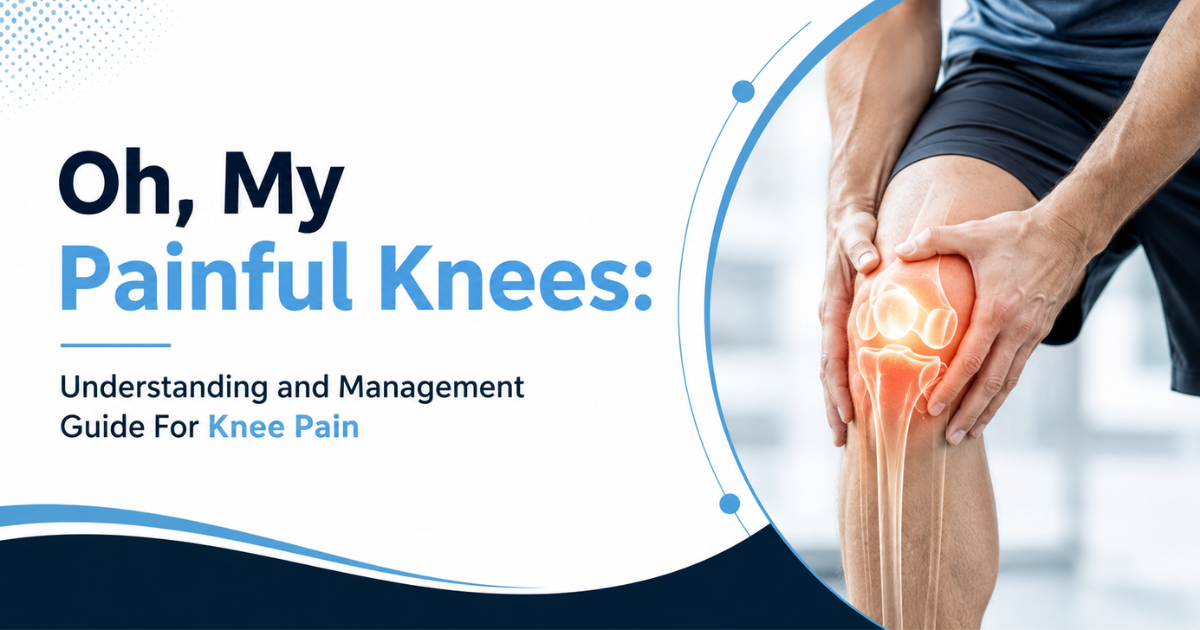
Oh, My Painful Knees: Understanding and Management Guide For Knee Pain

To be truthful, you won’t appreciate your knees until you begin to experience knee pain, from a quick, sharp “stab” to difficulty standing in a confined space. Is it me, or is climbing every flight upstairs similar to climbing up Mount Everest? No doubt, the second most universal complaint of all people who have pain in one form or another is knee pain.

The good news? Most knee pain isn’t a “forever” sentence. With the right approach, you can get back to moving without the soundtrack of pops and cracks.


Why is it so painful? 

The knee is one of the most highly developed pieces of biological engineering in your body. It is a hinge joint that connects three bones; your femur(the thigh bone), your tibia(the shin bone), and your patella(the kneecap). It is connected through several ligaments and is also protected from damage or injury through the presence of cartilage, which acts as a cushioning agent for both the femur and tibia.


  1. The “Weekend Warrior” Strain – Too much exercise during the weekend, such as hitting the gym or playing soccer on Saturday, impacts your tendons and muscles negatively.


  1. Osteoarthritis – This is a degenerative arthritis caused by the wearing away of the cartilage over time, which leads to stiffness and pain.


  1. Runner’s Knee – Also known as patellofemoral pain syndrome (PFPS), this condition occurs when there is improper tracking of the kneecap within its groove.


  1. Meniscus Tears – This type of injury occurs from a rapid twisting motion and results in a tear in the shock-absorbing “cushion” that protects the knee.


The “At-Home” Rescue Plan: R.I.C.E. 

If your pain is mild and didn’t result from a major trauma, the R.I.C.E. method is your first line of defense:

Rest: Give it a break. Avoid activities that aggravate the pain.

Ice: Apply a cold pack for 15–20 minutes several times a day to reduce swelling.

Compression: Use an elastic bandage to provide support and keep inflammation down.

Elevation: Keep your knee propped up on pillows—ideally above the level of your heart.


Pro Tip: Don’t just rest forever! Total inactivity can make joints stiff. Gentle movement, like swimming or stationary cycling, keeps the joint lubricated without the high impact.


When to See a Pro

I’m all for DIY recovery, but sometimes you need an expert. Seek medical advice if:

You can’t put weight on the leg.

The knee looks visibly deformed or “out of place.”

There is significant swelling or redness (which could indicate infection).

The knee “locks” or feels like it’s going to give way.


Strengthening: Your Best Long-Term Defense


The best way to protect your knees isn’t actually by working on the knees themselves—it’s by strengthening the muscles around them. Strong quadriceps, hamstrings, and glutes act like shock absorbers, taking the pressure off the joint.

Straight Leg Raises: Great for the quads without putting pressure on the joint.

Wall Sits: Controlled, static strength building.

Clamshells: Essential for hip stability, which prevents your knees from collapsing inward.

Knee pain is frustrating, but it’s usually your body’s way of asking for a little more support—literally and figuratively. Listen to it, strengthen your foundation, and don’t be afraid to take it slow.

Finding Relief from Sciatica: How Epidural Steroid Injections at Restore Spine and Pain Can Help You Get Back to Living

Raleigh | Cary | Holly Springs, North Carolina

Understanding Sciatica — When Back Pain Becomes Nerve Pain

If you’ve ever felt a sharp, shooting pain running from your lower back down through your leg, you may be experiencing sciatica — one of the most common causes of lower back and leg pain.

At Restore Spine and Pain, we help patients across Raleigh, Cary, and Holly Springs find long-term relief from sciatic nerve pain through precise, minimally invasive, and evidence-based treatments — including fluoroscopic-guided epidural steroid injections.

Our mission is simple: Relieve Pain. Restore Function. Reclaim Life.

What Is Sciatica?

Sciatica is not a diagnosis itself — it’s a symptom of irritation or compression along the sciatic nerve, the largest nerve in the body.

This nerve originates from several spinal nerve roots in the lower lumbar spine (L4–S3) and travels down the back of the leg. When these nerve roots become inflamed or compressed, pain can radiate from the lower back into the buttock, thigh, calf, or foot.

Common causes include:

  • Herniated or bulging lumbar disc
  • Lumbar spinal stenosis (narrowing of the spinal canal)
  • Degenerative disc disease
  • Bone spurs or arthritis compressing a nerve root
  • Post-surgical or traumatic nerve irritation

Recognizing the Symptoms of Sciatica

While symptoms vary, most people describe:

  • Sharp, shooting, or burning pain radiating down one leg
  • Tingling or numbness in the foot or calf
  • Weakness when standing or walking
  • Pain that worsens with sitting, coughing, or bending forward
  • Temporary relief when standing or walking short distances

pain blog

Diagnosing the Source of Sciatic Pain

At Restore Spine and Pain, every care plan starts with a thorough diagnostic evaluation to identify the exact source of pain.

This may include:

  • A detailed medical history and physical examination
  • Assessment of pain patterns and nerve distribution
  • Review of imaging studies (MRI, X-ray, or CT as indicated)
  • Diagnostic nerve root or epidural injections, if appropriate

By pinpointing the specific spinal level and nerve root involved, we ensure that treatment is precise, effective, and individualized.

Epidural Steroid Injections: Targeted Relief for Sciatica

When sciatic nerve pain doesn’t respond to conservative measures like physical therapy or oral medication, an epidural steroid injection (ESI) offers a safe, effective, and non-surgical option.

What Is an Epidural Steroid Injection?

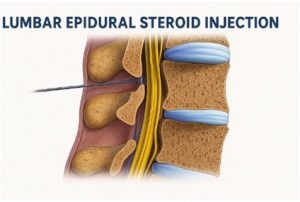
An epidural steroid injection delivers a small amount of anti-inflammatory corticosteroid medication directly into the epidural space — the area surrounding the irritated spinal nerve root.

This treatment works by:

  • Reducing inflammation and swelling around the affected nerve
  • Relieving pain and nerve pressure
  • Allowing improved mobility and function
  • Enabling greater participation in physical therapy and daily activity

All procedures at Restore Spine and Pain are performed under fluoroscopic (X-ray) guidance for accuracy and safety.

image

Types of Epidural Steroid Injections

Depending on the underlying cause and anatomy, one of the following approaches may be recommended:

  1. Transforaminal Epidural Steroid Injection – Targets a specific nerve root exiting the spine.
    • Ideal for herniated discs or nerve root irritation.
    • Provides focused medication delivery to the inflamed area.
  2. Interlaminar Epidural Steroid Injection – Places medication in the central epidural space.
    • Useful for broader spinal inflammation or stenosis.
  3. Caudal Epidural Steroid Injection – Accesses the lower epidural space through the sacral region.
    • Typically used when other routes are not accessible or for post-surgical patients.

These procedures are outpatient, completed in under 20 minutes, and designed for comfort and precision.

What to Expect During the Procedure

  1. You’ll lie comfortably on the table while the skin is cleaned and numbed.
  2. Using fluoroscopy, a thin needle is guided precisely into the epidural space.
  3. Contrast dye confirms accurate needle placement.
  4. The corticosteroid mixture is gently injected around the affected nerve root.

Some patients notice temporary pressure in the leg immediately after the injection. Most return to light activity the same day, with improvement often noticed within a few days to one week.

Expected Relief and Recovery

The results from an epidural steroid injection can last weeks to several months, depending on the condition and individual response.

Benefits often include:

  • Decreased back and leg pain
  • Improved walking and sitting tolerance
  • Better sleep and daily function
  • Increased ability to participate in therapy

For persistent cases, a series of injections spaced several weeks apart may be recommended to achieve longer-lasting relief.

Comprehensive Care Beyond the Injection

At Restore Spine and Pain, epidural injections are one part of a comprehensive, function-focused treatment plan.

Our multidisciplinary approach includes:

  • Physical therapy to strengthen and stabilize the spine
  • Posture and ergonomic training to reduce spinal stress
  • Home exercise guidance to maintain flexibility
  • Lifestyle and activity modifications for long-term wellness

The goal is not just to relieve pain but to help patients move better, work better, and live better.

When Surgery May Be Considered

Most individuals improve without surgery. However, surgical evaluation may be necessary if there is:

  • Severe, progressive weakness
  • Persistent pain despite conservative care
  • Neurological dysfunction or spinal instability

Restore Spine and Pain collaborates closely with trusted spine surgeons to ensure a seamless continuum of care when surgical intervention is appropriate.

Why Choose Restore Spine and Pain for Sciatica Relief

  • Advanced, image-guided spine procedures performed in a comfortable, modern setting
  • Evidence-based, non-surgical treatments for back and nerve pain
  • Personalized care plans tailored to each patient’s functional goals
  • Convenient access for patients throughout Raleigh, Cary, and Holly Springs
  • A team dedicated to helping you relieve pain, restore function, and reclaim your quality of life

Take the Next Step Toward Relief

If sciatica is keeping you from living the life you love, we’re here to help.

📍 Visit restorespineandpain.com to learn more about epidural steroid injection treatments and schedule a consultation today.

At Restore Spine and Pain, relief is possible — and recovery starts here.