


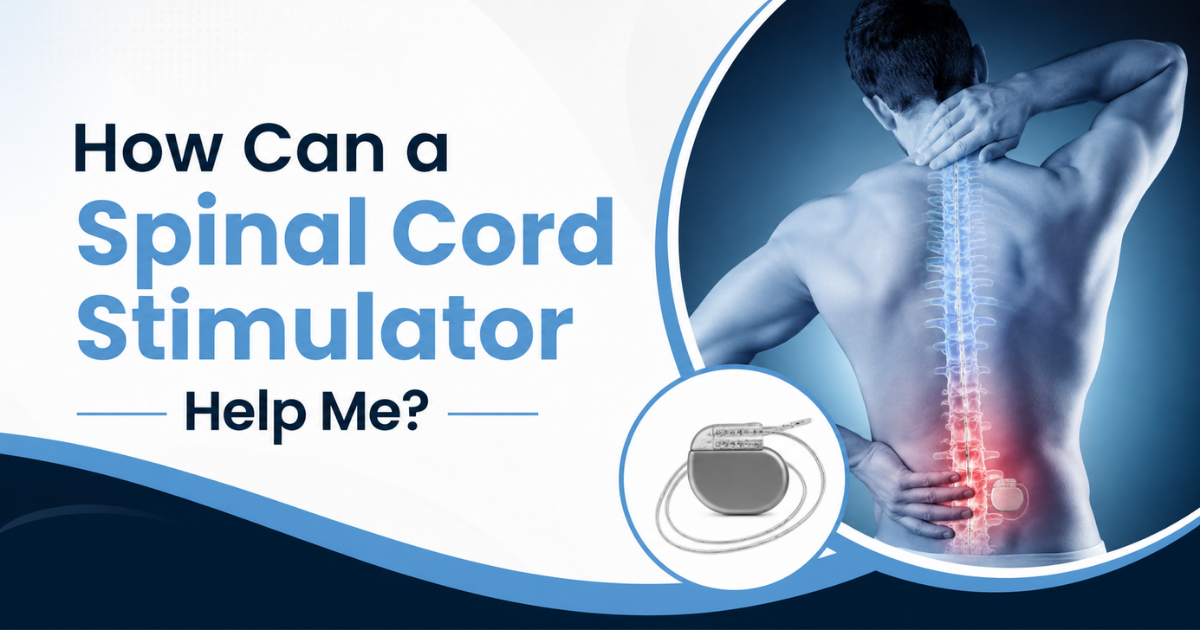
If you’ve been living with chronic pain for years, you already know the drill. You’ve tried physical therapy, medications, maybe even a surgery or two. And yet the pain is still there, showing up uninvited every single day. If that sounds familiar, there’s a good chance your doctor has mentioned spinal cord stimulation as a next step — and you’re probably wondering whether it’s actually worth it.
Let’s break down what this device actually does, who it’s for, and what life with one might realistically look like.
What Is a Spinal Cord Stimulator ?
Imagine a tiny pacemaker — except instead of keeping your heart in rhythm, it’s quietly working to turn down your pain. That’s essentially what a spinal cord stimulator does. It’s a small device implanted just under the skin, usually somewhere around your buttock or abdomen, with thin wires that travel up to your spinal cord.
The clever part is how it works. Rather than dulling pain chemically, the way a pill would, it sends gentle electrical pulses to your spinal cord, and those pulses intercept pain signals before they ever reach your brain. Some people feel a soft tingling or buzzing where the pain used to be, almost like a low hum replacing the ache. Newer devices can do this so subtly that you don’t feel anything at all, which a lot of patients actually prefer. It just quietly does its job in the background.
Who Actually Benefits From This?
Spinal cord stimulators aren’t usually the first option a doctor reaches for. They tend to come into the picture after other treatments haven’t worked well enough. People who often find relief include:
Folks dealing with failed back surgery syndrome, which is just a clinical way of saying “I had back surgery and the pain came back anyway.” Also people managing complex regional pain syndrome (CRPS), nerve-related pain from conditions like diabetic neuropathy, and chronic pain that radiates down the legs or arms. Some patients with certain types of chest pain related to heart conditions have also found relief with this technology.
If your pain has stuck around for more than three to six months despite trying other treatments, you’re probably in the range where your doctor might bring this up.
What Does It Actually Feel Like to Have One?
This is usually the part people are most curious about. Before you commit to a permanent implant, you actually get to try it out first. It’s called a trial period, and it typically lasts about a week. Thin wires are placed near your spine through a needle, no major surgery involved, and connected to an external device you wear on your belt or clip to your clothes. You go about your normal life for several days and pay attention to one simple question: does this actually reduce my pain?
If the answer is yes, and most people see meaningful relief during this trial, then you move forward with the permanent implant. That’s a quick outpatient procedure, and the battery sits comfortably under the skin where you’d barely notice it’s there.
What Life Can Look Like After Successful Spinal Cord Stimulation ?
People who respond well to spinal cord stimulation often talk about getting parts of their life back. Less reliance on opioids or other pain medications, which is a big deal for a lot of people trying to avoid the side effects and risks that come with long-term opioid use. Better sleep, since chronic pain and bad sleep tend to feed off each other in a miserable cycle. The ability to do things again that pain had taken away, whether that’s gardening, playing with grandkids, or just getting through a workday without gritting your teeth.
And because you trial it first, you’re not signing up for a surgery and hoping for the best. You actually know it works for your body before the permanent device goes in.
Understanding the Limits of Spinal Cord Stimulation
It’s worth being upfront here: a spinal cord stimulator isn’t a cure, and it won’t erase your pain completely for most people. The realistic goal is usually a 50% or greater reduction in pain, which sounds modest on paper but can be life-changing in practice. It also requires some upkeep. You’ll need to recharge or replace the battery depending on the device, and you’ll work with your doctor to adjust the settings as your body responds.
It’s also not for everyone. People with certain bleeding disorders, active infections, or who haven’t responded to the trial period typically aren’t good candidates.
Is a Spinal Cord Stimulator Right for You? What to Ask Your Doctor
If chronic pain has been running your life and nothing else has made a real dent in it, this is a conversation worth having with a pain management specialist. Ask about whether you’re a good candidate, what the trial period would look like for your specific situation, and what kind of results other patients with your condition have typically seen.
Chronic pain can make you feel like you’ve run out of options. A spinal cord stimulator isn’t a magic fix, but for a lot of people, it’s been the thing that finally gave them some breathing room.
This article is for general informational purposes and isn’t a substitute for medical advice. Talk to your doctor or a pain management specialist about whether spinal cord stimulation is right for you.