


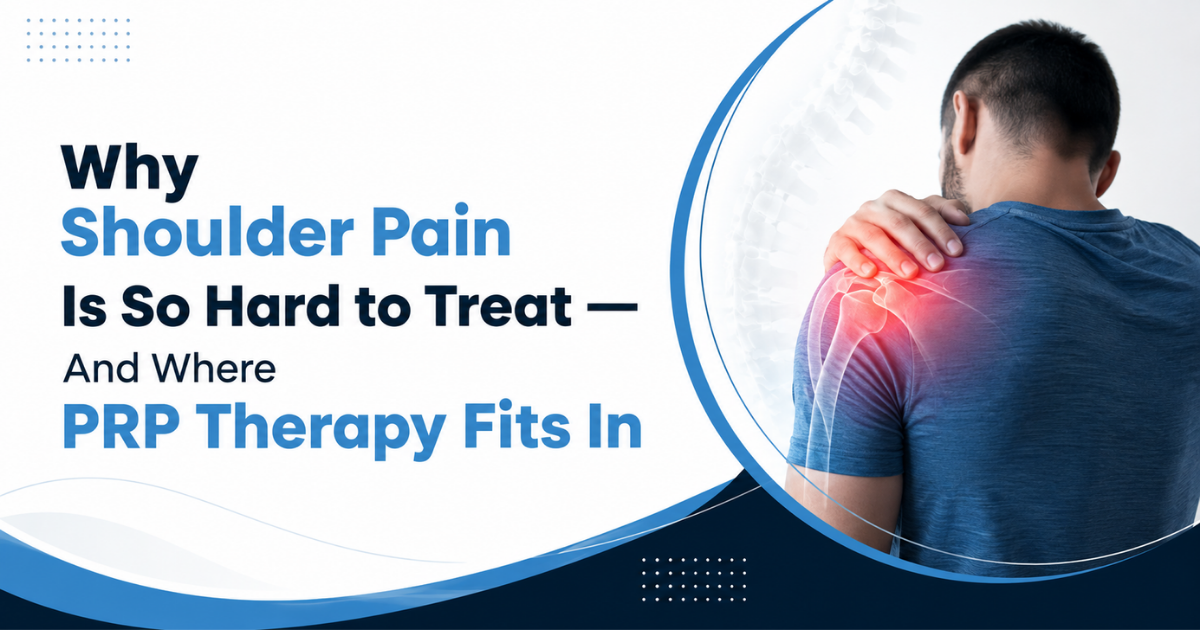
However, the high mobility of the shoulder is associated with its reduced stability compared to other joints such as the hip joint and knee joint. Moreover, there is also a possibility of developing injuries to the tendons and cartilage, including those that ensure the functioning of the joint (rotator cuff, labrum, bursa, and surrounding ligaments). Due to reduced blood circulation in these areas, recovery can be difficult.
For many people with shoulder-related issues, injections and therapy sessions go on for months, if not even years, before they manage to find an effective treatment method. In today’s world, PRP therapy is becoming increasingly popular among patients as the way to go.
PRP Effective in Treating Shoulder Disorders
Rotator Cuff Tendinopathy: Degenerative condition characterized by microtears within the rotator cuff tendons due to repetitive motions or aging. PRP helps heal the tendons by stimulating collagen production and decreasing chronic inflammation.
Partial Rotator Cuff Tears: For partial tears where the tendon has not fully torn, PRP treatment can aid the recovery process without resorting to surgery. Surgery is usually necessary when there is a complete tear of the tendon.
Glenohumeral Osteoarthritis: Condition where arthritis occurs in the ball and socket joint of the shoulder. According to a 2022 study, PRP offered superior outcomes compared to cortisone for shoulder OA after six months.
Shoulder Bursitis: Inflammation of the subacromial
bursa. PRP can reduce chronic bursitis that has not responded to cortisone injections.
The Procedure: What to Expect
A PRP shoulder injection at Restore Spine and Pain begins the same way as any PRP treatment — a blood draw, centrifuge processing, and injection. What sets shoulder PRP apart is the precision of placement. We use ultrasound guidance to confirm the needle is positioned correctly within the target tissue — whether the glenohumeral joint, subacromial space, or directly into the tendon.
The procedure takes 60 to 90 minutes total. Most patients return to desk work and light activity within 24 hours, with strenuous overhead activity avoided for one to two weeks.
PRP in Combination with Physical Therapy
In cases where patients have shoulder-related injuries, we often suggest using PRP treatment along with physical therapy. The reason is that while PRP creates an ideal biological milieu for recovery, it is physical therapy that contributes the mechanical stimulus needed by tendon tissues to heal.
Is PRP an Effective Treatment for Shoulder Pain?
PRP is definitely not a miracle treatment; otherwise, we would harm the reputation of this procedure. The most important thing for our patients is to be honest with them.
Depending on the patient’s condition, here is the list of expected results:
Excellent results: Tendonitis and partial rotator cuff tears
Satisfactory results: Arthritis and bursitis
Mixed results: Large tears or full-thickness rotator cuff tear
Patient expectations:
Pain relief occurs gradually within 4-12 weeks
Functional improvement happens within 3-6 months
Successes may last from 1 year to even longer
Main idea: As opposed to cortisone injections, PRP works like a booster of the healing process and not a painkiller, therefore achieving long-lasting results.
Final Thoughts
Make sure you conclude with a tangible and realistic remark:
PRP might not be the ideal solution for all shoulder issues—however, in the proper case, PRP provides one advantage over conventional treatment: The opportunity to improve the condition of your body tissue, rather than masking your symptoms.
Are your shoulders consistently painful in spite of shots, physical therapy, or even periods of rest? It could be time to consider an alternative treatment method.